
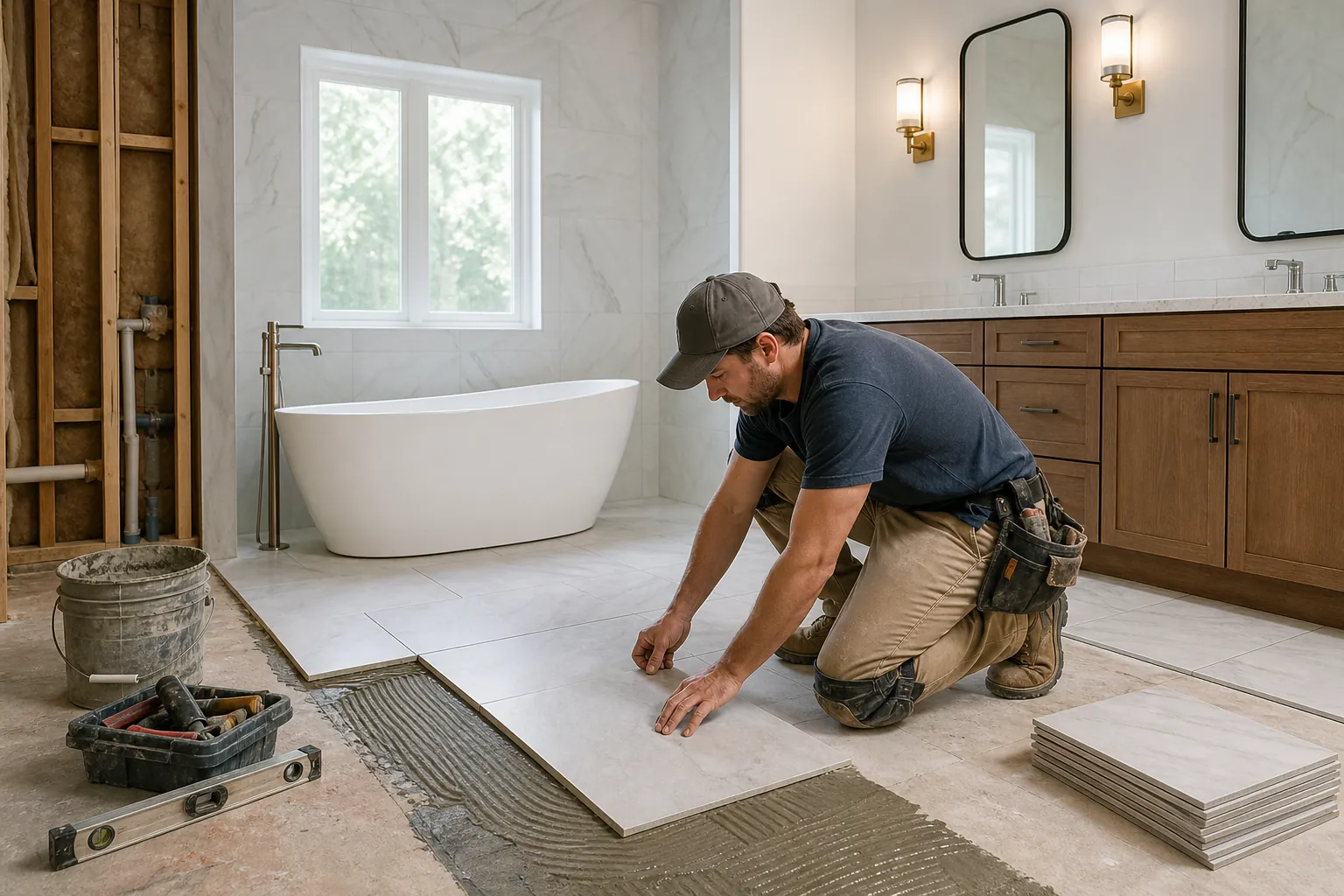
A bathroom remodel can improve everyday comfort, storage, safety, and home value. It can also become complicated once plumbing, waterproofing, electrical work, ventilation, and finish selections overlap. Thoughtful planning helps homeowners avoid rushed decisions and creates a room that works well long after the project is complete.
CDG Carolinas provides custom home remodeling services for homeowners in Charlotte and surrounding North Carolina communities. Whether you are refreshing a guest bath or redesigning a primary suite, the goal should be a cohesive space built for your routines, style, and property.
Start With How You Use The Bathroom
Beautiful finishes matter, but function should guide the design. Consider who uses the room, when it feels crowded, and which frustrations you want to solve. A family bathroom may need durable surfaces and organized storage, while a primary bathroom may prioritize a larger shower, private water closet, or double vanity.
Think beyond the current layout. Moving plumbing can affect cost, but keeping every fixture in place is not always the best long-term choice. A skilled remodeler can evaluate whether walls, doors, fixtures, and cabinetry could be arranged more effectively.
Before design work begins, identify your priorities:
- Storage: Note what must fit inside vanities, medicine cabinets, linen towers, and recessed niches.
- Accessibility: Consider a curbless shower, wider doorway, handheld showerhead, bench, or blocking for future grab bars.
- Lighting: Plan for general illumination, focused vanity lighting, and softer nighttime options.
- Privacy: Decide whether the toilet, shower, or dressing area needs visual separation.
- Maintenance: Choose surfaces and fixture styles that are easy to clean and suitable for frequent use.
- Ventilation: Include an appropriately sized exhaust fan that directs moisture outside the home.
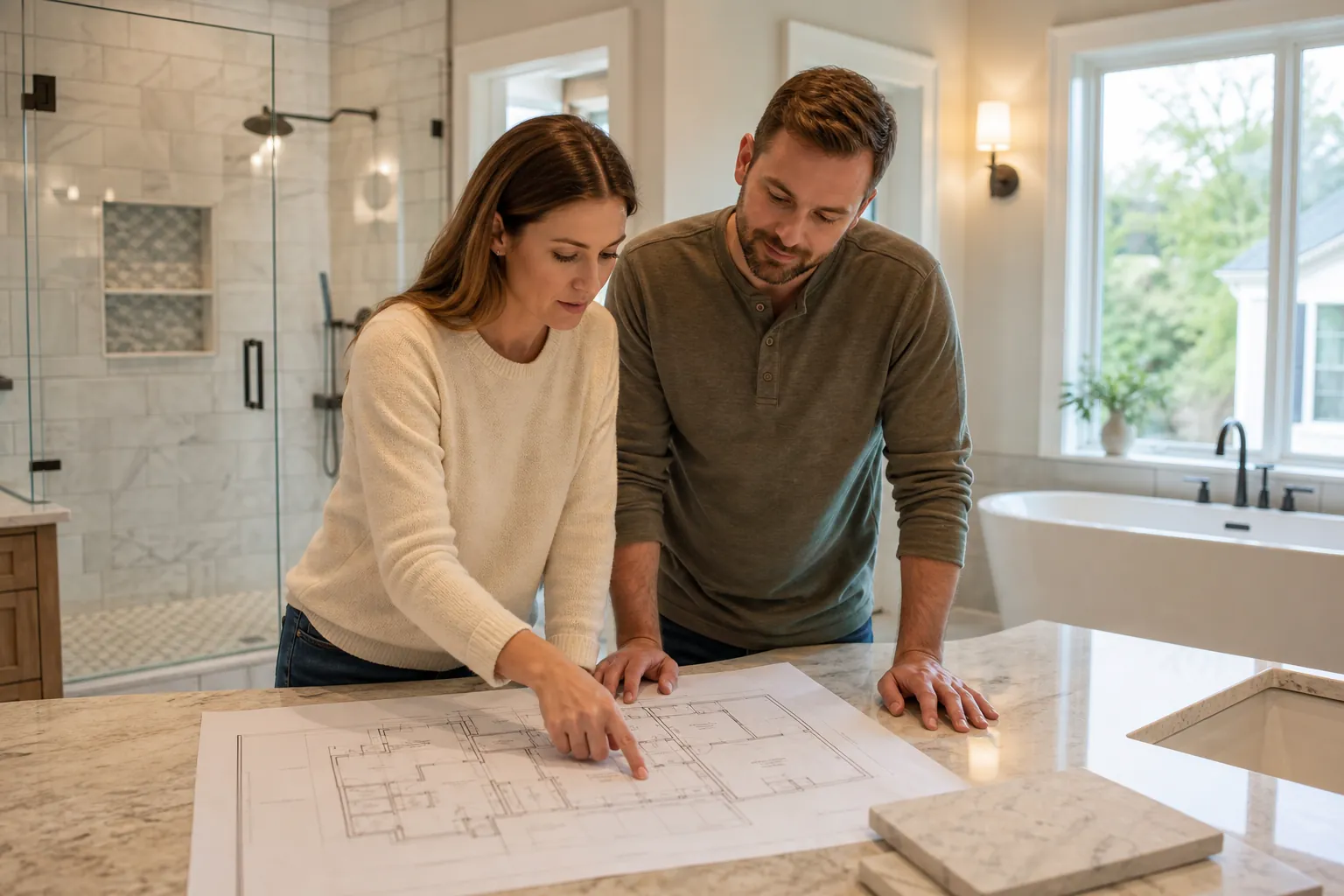
Build A Realistic Scope And Budget
Bathroom remodeling costs vary because no two scopes are identical. Room size is only one factor. Structural changes, plumbing relocation, custom cabinetry, tile coverage, fixture quality, electrical upgrades, and existing conditions all influence the investment.
A cosmetic update might focus on paint, lighting, hardware, and a new vanity. A full remodel can involve demolition, layout changes, waterproofing, new mechanical systems, tile, cabinetry, countertops, and finish carpentry. Defining the scope early makes estimates easier to compare and reduces the likelihood of expensive additions during construction.
Include a contingency for conditions hidden behind walls or below floors. Older Charlotte homes may contain outdated wiring, deteriorated subflooring, previous water damage, or plumbing that should be corrected before finishes are installed. Addressing these issues protects the new bathroom and the surrounding home.
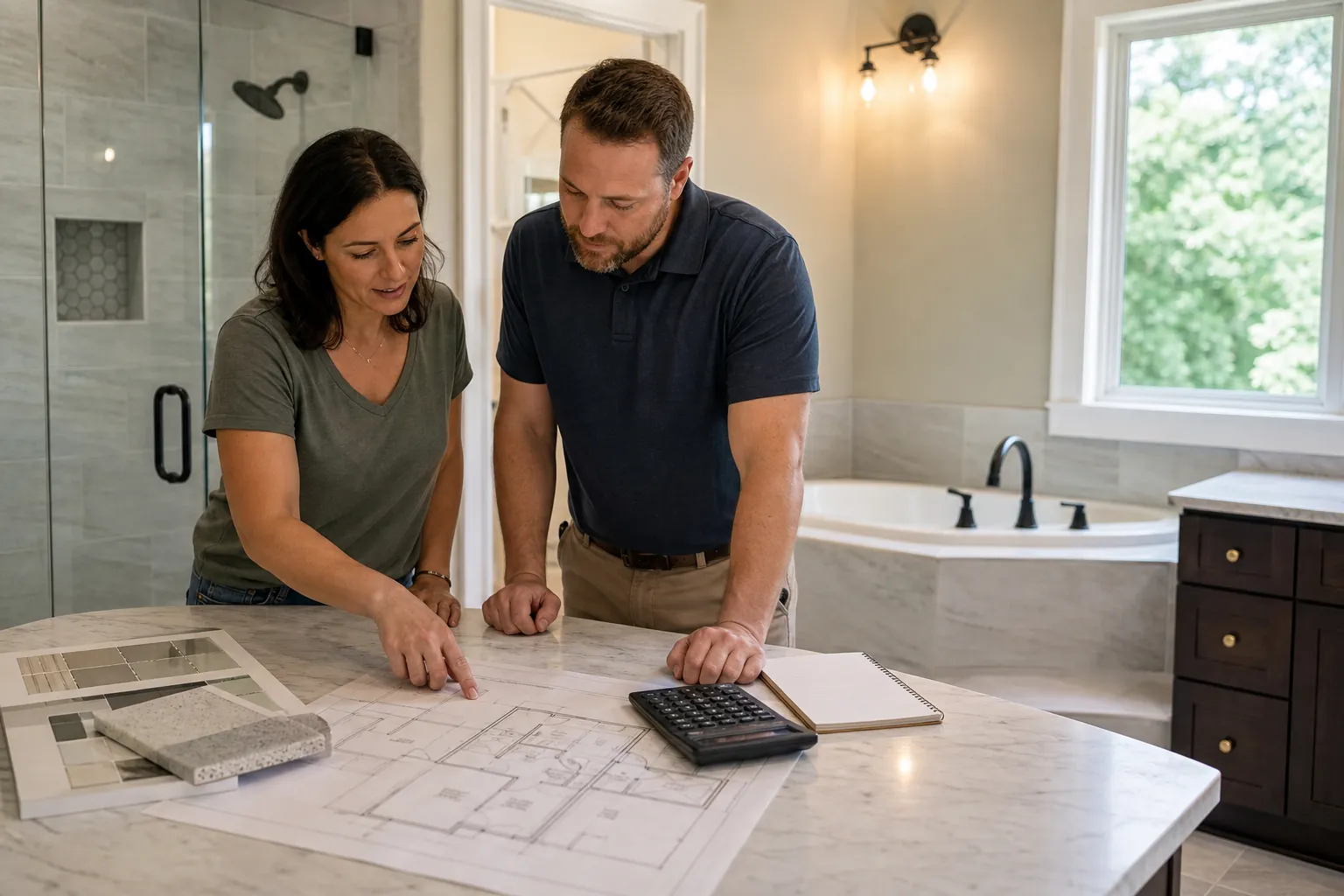
Choose Materials For North Carolina Conditions
Bathrooms regularly experience humidity and temperature changes, making material performance especially important in North Carolina. Products should be selected as a coordinated system rather than as isolated decorative choices.
Porcelain tile is a practical option for floors and shower walls because it is durable and available in many styles. Natural stone can be attractive, but some varieties require periodic sealing and specialized cleaning. Slip resistance deserves attention, particularly on shower floors and in bathrooms used by children or older adults.
Waterproofing is more important than the visible tile. Tile and grout are not a complete waterproof barrier by themselves. Shower pans, membranes, seams, penetrations, and transitions must be installed correctly before tile work starts. Ask your contractor which waterproofing system will be used and how it will be inspected.
Cabinet materials and finishes should also tolerate moisture. Proper ventilation helps protect cabinetry, paint, drywall, trim, and indoor air quality. An exhaust fan should be ducted outdoors, not into an attic, crawl space, or wall cavity.
Understand Permits And Project Sequencing
Permit requirements depend on the work involved and the applicable local jurisdiction. Changes to plumbing, electrical systems, structural elements, or mechanical ventilation may require permits and inspections. A knowledgeable bathroom remodel contractor in Charlotte, NC can review the scope, explain likely requirements, and coordinate approved work with qualified trade professionals.
Construction generally follows a deliberate order. After site protection and demolition, the team can evaluate exposed framing and utilities. Structural corrections and rough plumbing, electrical, and mechanical work come before insulation, wallboard, waterproofing, tile, cabinetry, and final fixture installation.
Sequencing matters because one delay can affect multiple trades. Special-order items such as cabinetry, shower glass, plumbing fixtures, tile, and countertops should be identified early. Confirming dimensions and lead times before demolition can help limit avoidable downtime.
Evaluate Contractors Beyond The Price
A low estimate does not necessarily represent a lower final cost. Review what each proposal includes, which products carry allowances, who handles permits, and how changes are documented. Vague scopes can make it difficult to understand whether bids cover comparable work.
Ask prospective contractors about their bathroom remodeling experience, communication process, schedule management, site protection, and warranty. You should also confirm licensing and insurance appropriate to the project. References and photographs of relevant work can offer useful context, but clear planning and professional communication are equally important.
A detailed agreement should identify the scope, payment structure, expected materials, responsibilities, and process for change orders. No contractor can guarantee that concealed problems will never appear, but an experienced team should explain how discoveries are assessed, priced, and approved.
Prepare Your Home For Construction
Bathroom remodeling temporarily changes household routines. Before work begins, decide which bathroom family members will use, where toiletries will be stored, and how workers will access the project area. Remove personal items, medications, towels, and fragile decorations.
Discuss working hours, parking, pets, dust control, debris removal, and daily cleanup with the contractor. Protective floor coverings and planned pathways can reduce disruption, although demolition and cutting will still create some noise and dust.
Keep major decisions organized in one place. Record approved fixtures, finishes, model numbers, paint colors, and change orders. Quick, documented decisions help the project move forward and reduce confusion among homeowners, suppliers, and trades.
Create A Bathroom That Fits Your Home
The most successful remodels balance personal style with sound construction. Trends can inspire individual details, but layouts, lighting, ventilation, waterproofing, and storage have a greater effect on daily satisfaction. A well-planned bathroom should feel natural within the home while responding to the people who use it.
CDG Carolinas can help you explore practical options for a guest bath, hall bathroom, powder room, or primary suite in the Charlotte area. To discuss your goals and learn what may be possible for your North Carolina home, call (704) 619-6293 for a calm, straightforward project conversation.
Call (704) 619-6293 to talk through next steps.