
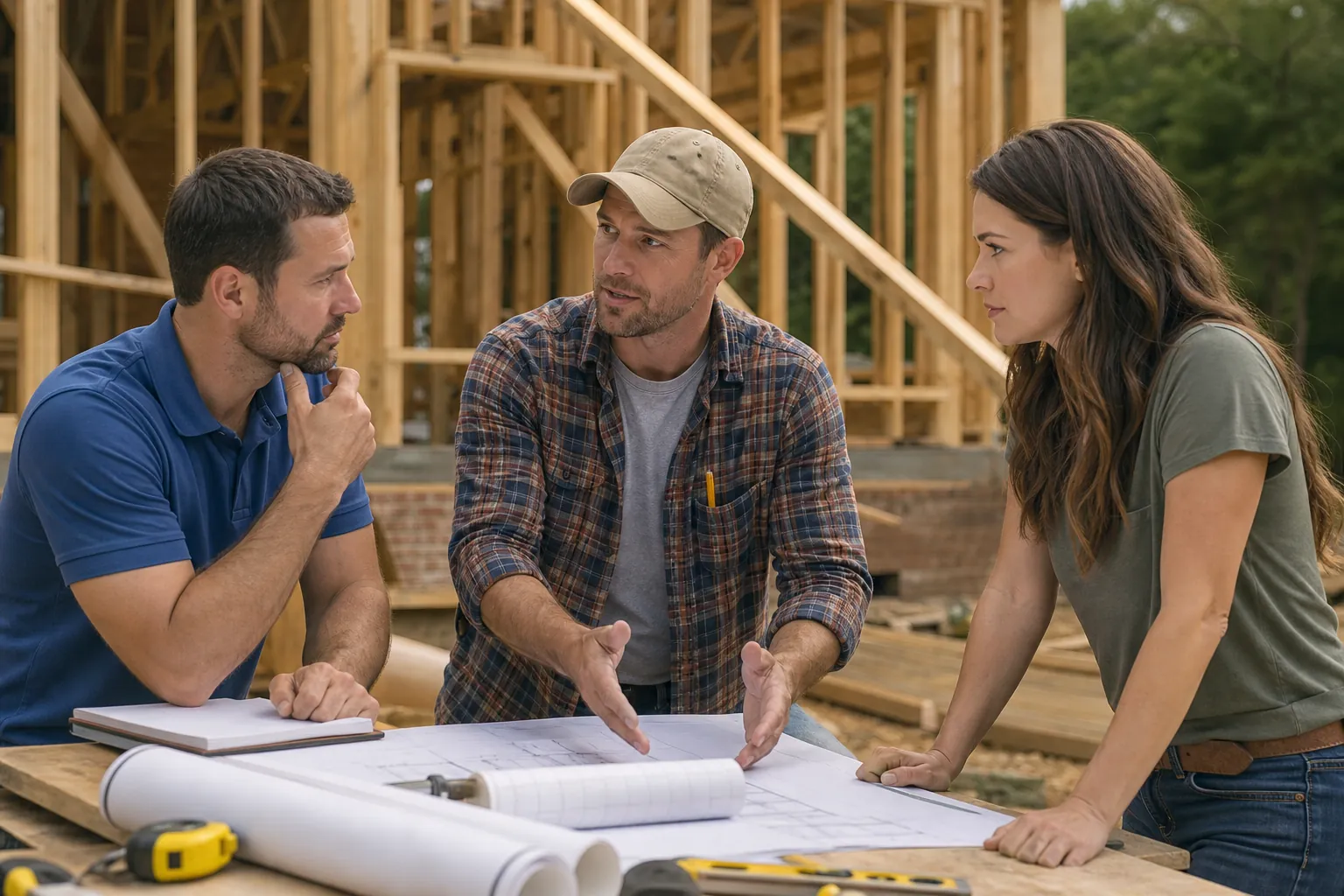
Good communication begins before work starts. When speaking with a Charlotte general contractor, ask specific questions about contacts, updates, decisions, documentation, and changes. The answers can help you judge whether the contractor’s communication process fits the way you prefer to make decisions. Use the following questions during an initial conversation, and request clarification whenever an answer feels too broad.
Who Will Be My Main Contact?
Start by identifying the person responsible for routine communication. Ask whether that contact will remain the same throughout the work and who will step in if the person is unavailable. If different people handle planning, scheduling, selections, or field questions, request a clear explanation of each role.
Next, confirm how you should raise a question. Some issues may be appropriate for a phone call, while others should be documented in writing. Ask which channel the contractor prefers and whether important verbal conversations will be summarized afterward. Written follow-up can create a shared record of decisions and reduce confusion about what was discussed.
Also ask who has authority to approve decisions on the contractor’s side. You should know whether the person answering your question can make a final decision or must consult someone else. Finally, decide who in your household is authorized to communicate approvals. Naming contacts on both sides helps keep instructions consistent and prevents conflicting requests.
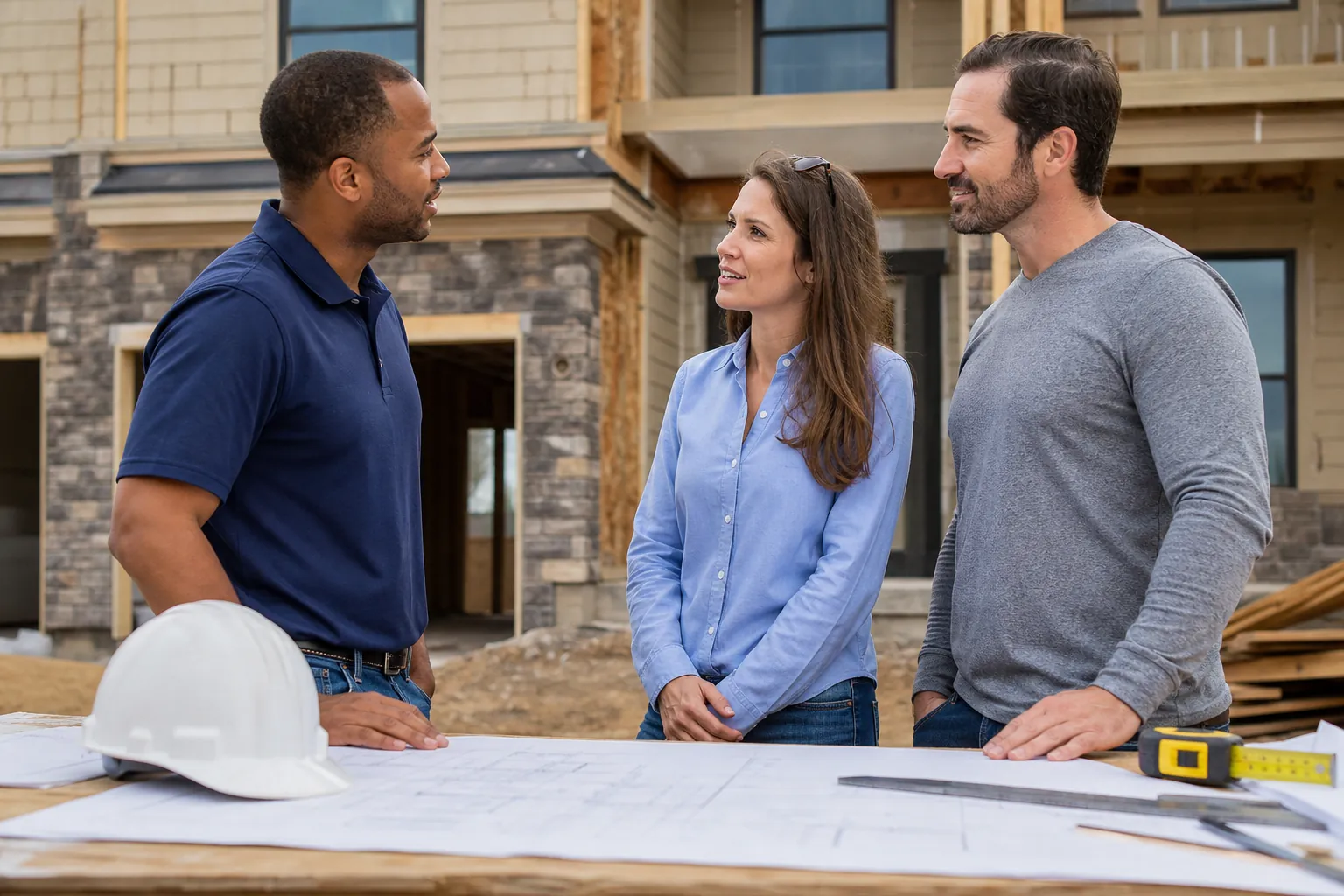
How And When Will Updates Be Shared?
Ask what a normal update includes and how often you should expect one. A useful update may address current activity, upcoming decisions, unresolved questions, and anything that could affect the next step. The exact format matters less than whether both parties understand the routine.
Discuss how time-sensitive information will be handled. Ask what counts as urgent, how the contractor will contact you, and how quickly a response may be needed. Then explain any periods when you are difficult to reach. If another person can respond on your behalf, identify that person in advance and define the limits of their authority.
It is also useful to ask what happens when there is no major news. Will you still receive a brief update, or should you assume the plan remains unchanged? Clarifying this point can prevent unnecessary concern. Before moving forward, write down the agreed communication channel, expected update pattern, and backup contact method so you can refer to them later.

How Are Questions And Decisions Documented?
General statements can lead to different interpretations, so ask how details will be recorded. Find out where you will see descriptions, selections, allowances, approvals, and revisions. Ask whether one document or message thread will serve as the current source of information and how outdated versions will be identified.
When reviewing written information, look for language that is specific enough to answer practical questions. A decision record should make clear what was chosen, who approved it, and whether another action remains. If terminology is unfamiliar, ask for a plain-language explanation before approving anything.
Keep your own organized record as well. A simple folder for documents, messages, notes, and dated approvals can make future conversations more efficient. For decisions involving budget placeholders, read this guide to bathroom remodel allowance planning in Charlotte. Whatever the subject, avoid relying on memory alone. Request written confirmation when a conversation changes or clarifies an earlier understanding.
What Should I Ask About Changes?
Changes can begin with a homeowner request, a newly discovered condition, or a need for clarification. Ask the contractor to describe the communication process used when the original understanding may need to change. You should know what information will be presented before you are asked to decide.
Use a consistent set of questions for each proposed change:
- What is changing, and why is the change being discussed?
- Which earlier description, selection, or decision does it affect?
- What choices are available, and when is a response needed?
- Where will the final decision and approval be documented?
- Who should answer follow-up questions before approval?
Do not treat a casual conversation as final approval unless both sides explicitly understand it that way. Ask how approvals must be provided and how the updated information will be incorporated into the current record. If you do not understand the reason for a change or the available choices, pause and request clarification. A deliberate response is more useful than a quick assumption.
How Will Concerns Be Escalated And Resolved?
Even with regular updates, a question may remain unresolved. Ask what to do when an answer is incomplete, delayed, or inconsistent with earlier information. A clear escalation path should identify whom to contact first and whom to contact next if the issue still needs attention.
When raising a concern, be concrete. State the issue, reference the relevant document or prior message, and explain what response you need. For example, ask for confirmation of a specific selection rather than saying that communication feels unclear. Include a reasonable response date when a pending decision affects your own planning.
Ask how disagreements about documented information will be reviewed. Will the contractor compare current records, summarize the issue, and confirm the resolution in writing? Also ask how open items will be tracked until they are closed. This conversation is not about assuming something will go wrong. It is a practical way to understand whether the contractor has a calm, repeatable method for addressing concerns and restoring a shared understanding.
Start With A Clear Conversation
Bring these questions to your next contractor discussion and take notes on the answers. To speak calmly with CDG Carolinas about communication and your next steps, call (704) 619-6293.
Call (704) 619-6293 to talk through next steps.