
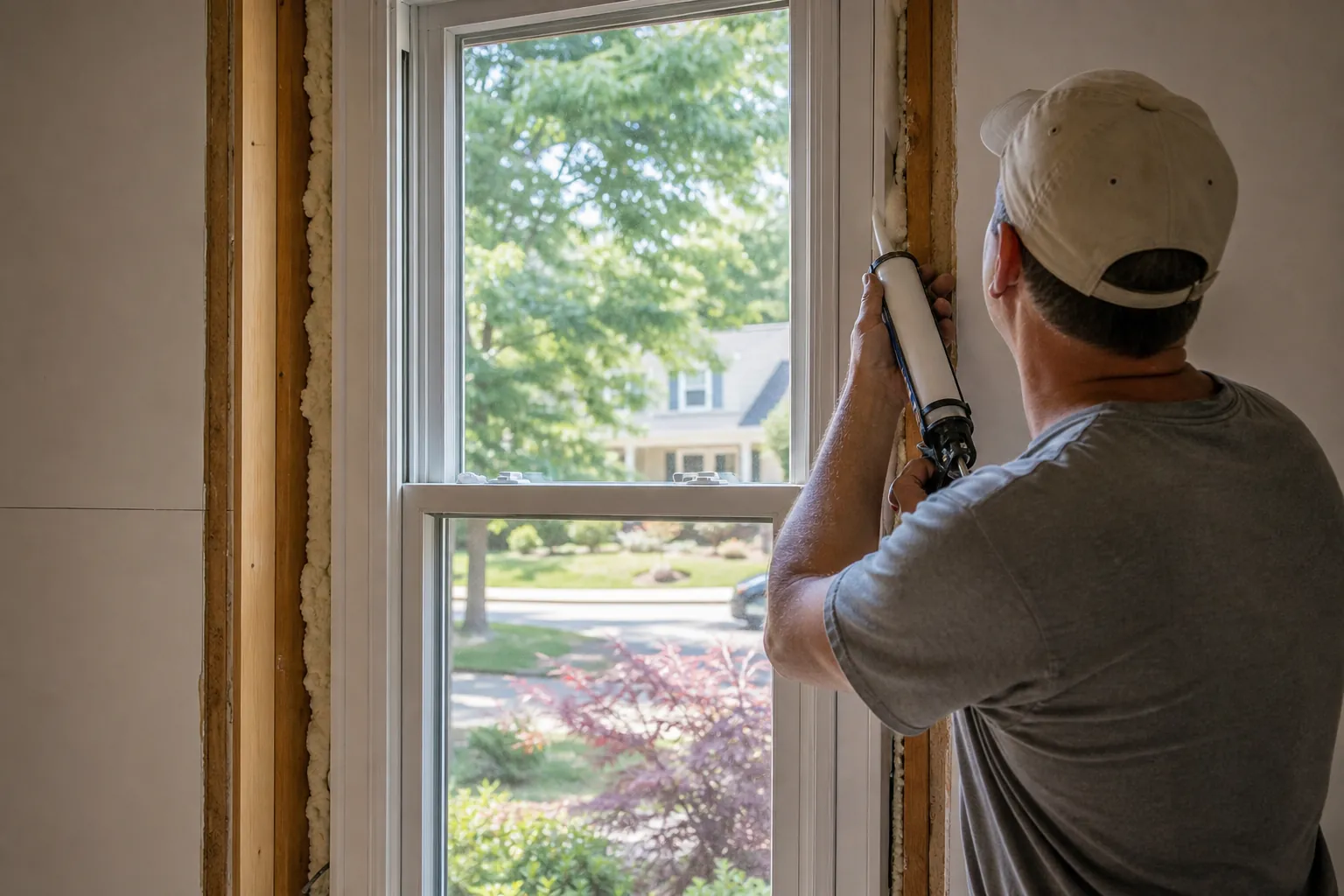
Window replacement decisions often focus on the window itself, but the surrounding opening deserves equal attention. Air sealing involves the transition between the replacement window, the framed opening, and adjacent finishes. If that transition is not clearly addressed, homeowners may receive bids that appear similar while covering different work. Before choosing a proposal in Charlotte, ask how the opening will be evaluated, what materials and steps are included, and who is responsible for related repairs.
Clarify What “Window Replacement” Includes
Start by asking each contractor to define the replacement method and exact work area. A proposal may cover the window unit without addressing every condition concealed by trim or finishes. Request a written description of what will be removed, what will remain, and which parts of the opening will become accessible. Then ask whether air sealing at the window perimeter is included in the quoted scope or treated as additional work.
Terminology alone is not enough. Words such as replacement, installation, insulation, and sealing can mean different things in different proposals. Ask the contractor to identify the location of each planned material and explain its purpose. Confirm whether interior and exterior transitions are both addressed, along with removal and reinstallation of trim when applicable. A detailed scope makes bids easier to compare and gives everyone a shared reference if hidden conditions appear. If a proposal does not state what happens around the opening, request clarification before accepting it.
Ask How Existing Conditions Will Be Evaluated
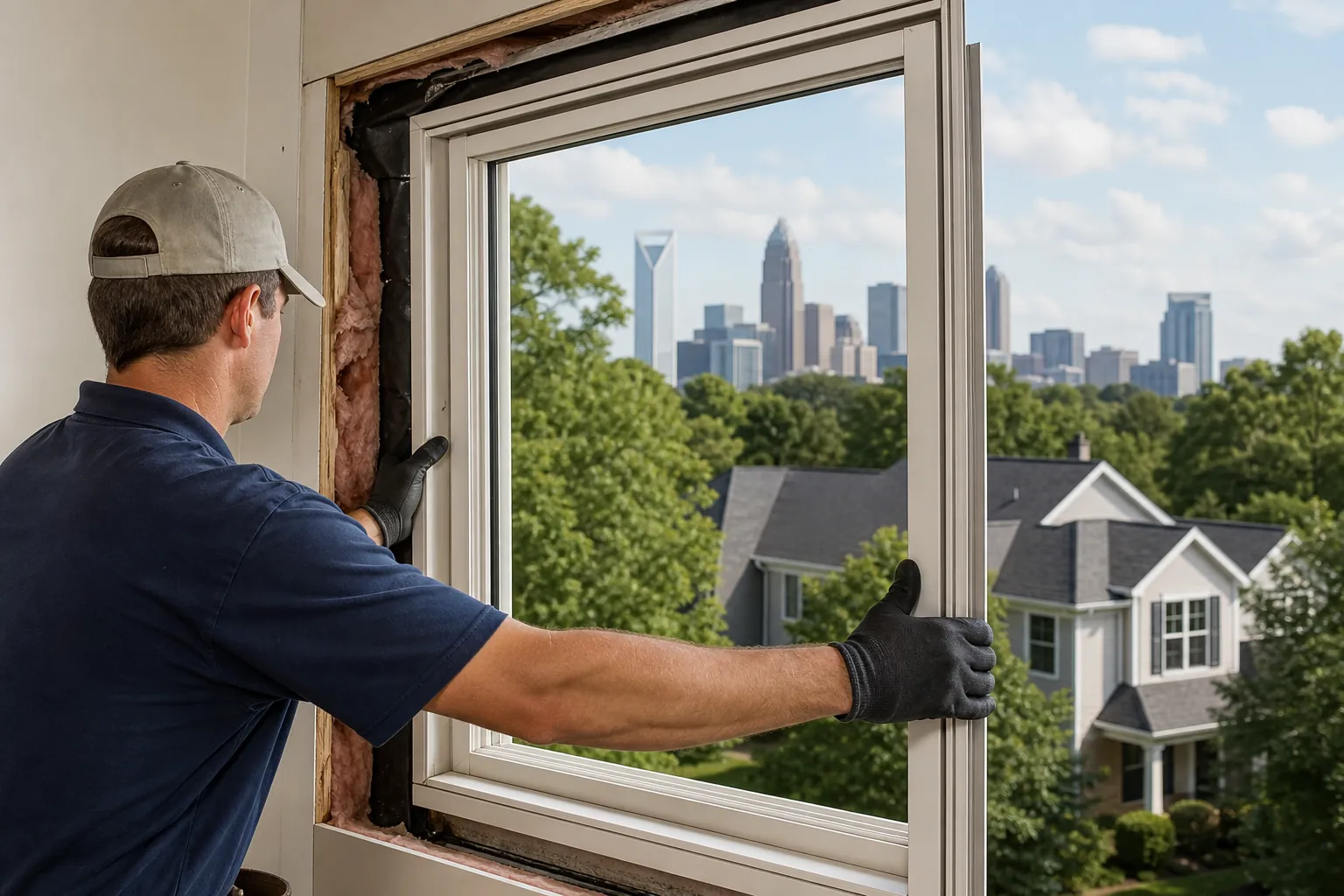
The visible window may not reveal the condition of the entire opening. Before work begins, ask what can be assessed during the initial visit and what can only be confirmed after removal starts. Existing trim, wall finishes, exterior materials, previous repairs, and sealant can limit visibility. The proposal should distinguish between known conditions and assumptions.
Discuss the process for documenting anything unexpected. Useful documentation may include photographs, a written description, and a price or allowance for proposed additional work before it proceeds. Ask who will explain the issue, who can authorize a change, and whether the schedule could be affected. This is not about predicting every concealed condition. It is about creating a clear decision process.
If there are stains, drafts, damaged finishes, or signs of past repair near a window, point them out during the estimate. Do not assume they are automatically included in the replacement scope. Ask how those observations affect evaluation, planning, and responsibility.
Compare Air-Sealing Details Across Proposals
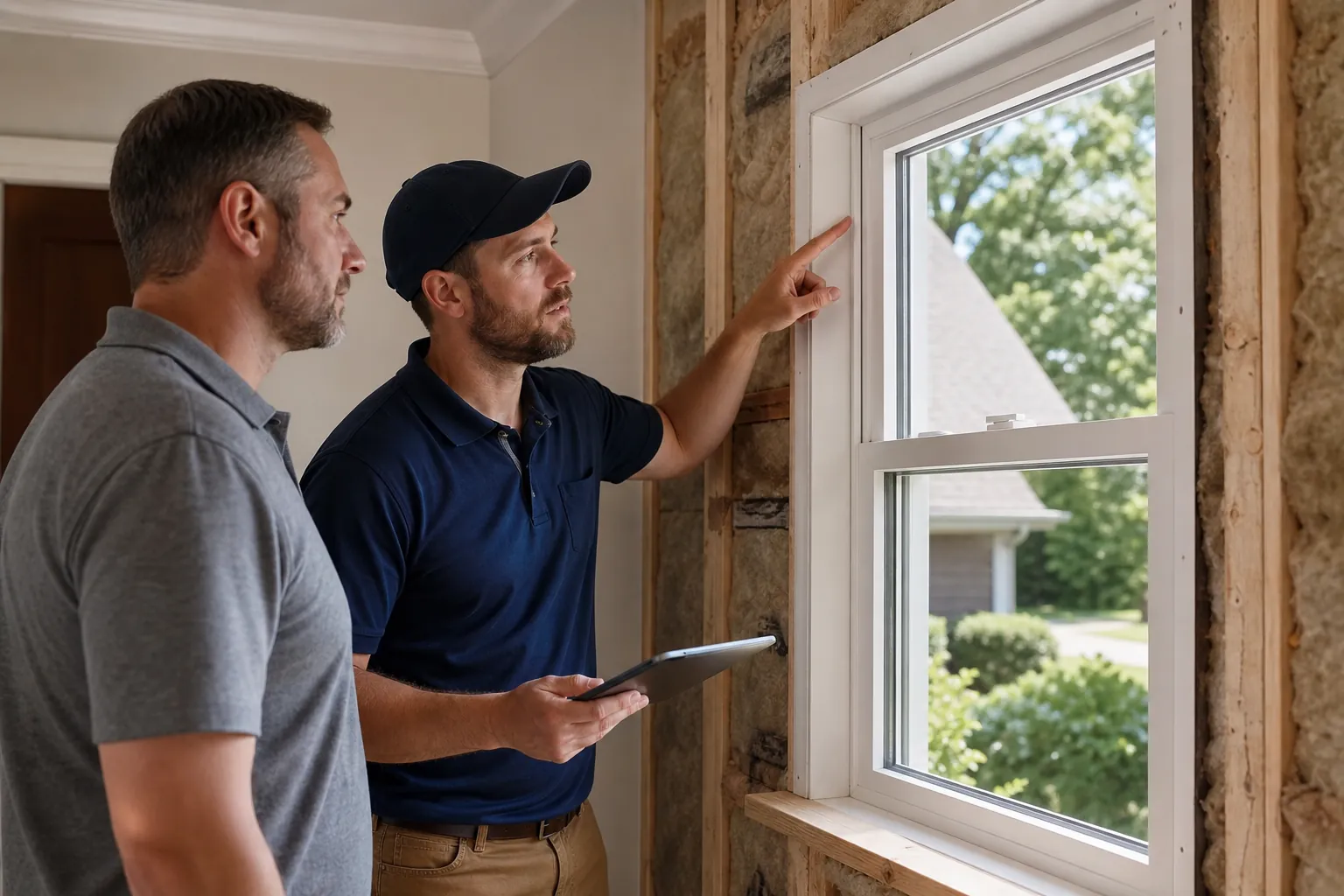
When comparing bids, use the same questions for every contractor. This keeps the decision focused on scope rather than headline price. Request written answers whenever possible, especially for items that may be covered after trim is installed.
- Which gaps or transitions are included in the air-sealing work?
- What must be removed to reach those areas?
- Which sealing or insulating materials are planned, and where will each be used?
- How will the work account for expected movement and material compatibility?
- Who handles interior trim, exterior sealant, painting, or finish repairs?
- How will completed work be inspected before it is concealed?
- What conditions would trigger a change order or allowance?
- What cleanup, disposal, and final documentation are included?
A proposal does not need to use identical methods to another proposal, but it should be specific enough for meaningful comparison. If one bid includes opening preparation, perimeter treatment, trim work, and finish restoration while another lists only window installation, they are not equivalent. Create a simple comparison sheet and mark each item as included, excluded, or unresolved.
Coordinate Sequence, Trades, and Finish Work
Air sealing is affected by sequence. Some areas are easiest to address after the existing unit or trim is removed and before the replacement window and finishes conceal the opening. Ask for the planned order of removal, preparation, sealing, installation, inspection, and finish restoration. Confirm who pauses the work if a decision is needed.
Responsibility matters when more than one trade or project phase is involved. Determine who handles trim, wall repair, exterior interfaces, painting, and cleanup. Ask whether those tasks are part of one proposal or require separate arrangements. If another project is planned nearby, discuss whether the schedules or finish choices should be coordinated.
Allowance planning can also help when exact finish work cannot be known in advance. The principles in this guide to bathroom remodel allowance planning in Charlotte can support broader renovation decisions: define what an allowance covers, identify assumptions, and establish how differences will be approved. Clear sequencing reduces last-minute choices and helps prevent one completed step from blocking another.
Set Inspection and Change Procedures Before Starting
Before signing, establish practical checkpoints. Ask when the opening will be available for review and whether photographs can be taken before it is covered. Confirm how the contractor will communicate a concealed condition, present options, and obtain approval. A verbal conversation may be helpful, but a written change record gives both parties a clearer reference.
Review exclusions as carefully as inclusions. Look for responsibility for damaged framing, finish repairs, painting, exterior materials, and disposal. If any item is uncertain, ask whether it should be included as a defined allowance, priced separately, or explicitly excluded. Also confirm how selections and changes may affect sequencing.
At completion, compare the work with the written scope. Review visible transitions, trim, sealant, finish areas, and cleanup. Keep the proposal, approved changes, product information provided by the contractor, and project photographs together. The goal is not to add unnecessary paperwork. It is to make sure the air-sealing discussion remains connected to the work that was authorized and completed.
Discuss Your Window Replacement Questions
If you are evaluating window replacement and want to discuss scope, air-sealing coordination, or allowance questions, call CDG Carolinas at (704) 619-6293. A calm, specific conversation can help you identify what still needs to be defined before making a decision.
Call (704) 619-6293 to talk through next steps.