

Start choosing a general contractor by defining your project and checking each candidate's fit. Then compare written scopes, current credentials, references, and contract terms. For a Mooresville remodel, confirm who handles permits and daily oversight. Choose based on clear evidence and shared expectations, rather than the lowest total alone.
Where should choosing a general contractor begin?
Begin with a short project brief before seeking contractor names. It gives each candidate the same starting point and helps reveal missing work. Use the guide to comparing remodeling estimates for bid review. For a bathroom project, the bathroom estimate clarification guide helps frame questions before your first meeting.
Write down what you want to change and why. Separate daily needs from features that would be nice. A larger shower and a new room layout raise different planning questions. Your brief should make those differences clear.
Describe the current space without guessing what lies behind walls. Note leaks, uneven floors, or past repairs you know about. Share existing plans if you have them. Label old drawings clearly so nobody treats them as current measurements.
Set a budget range you can discuss honestly. Keep some funds aside for unknown work and later choices. Ask candidates how they handle that uncertainty. A low starting figure means little when major tasks remain undefined.
Use the same brief during each early conversation. This makes answers easier to compare and reduces repeated explanations. It also helps you notice who asks useful questions. Clear questions often reveal more than a polished sales pitch.
- Describe the rooms, current problems, and main goals for the work.
- Separate essential changes from optional features that could be priced later.
- Share your target budget and explain any firm limits on spending.
- State when you hope to start and what may affect access.
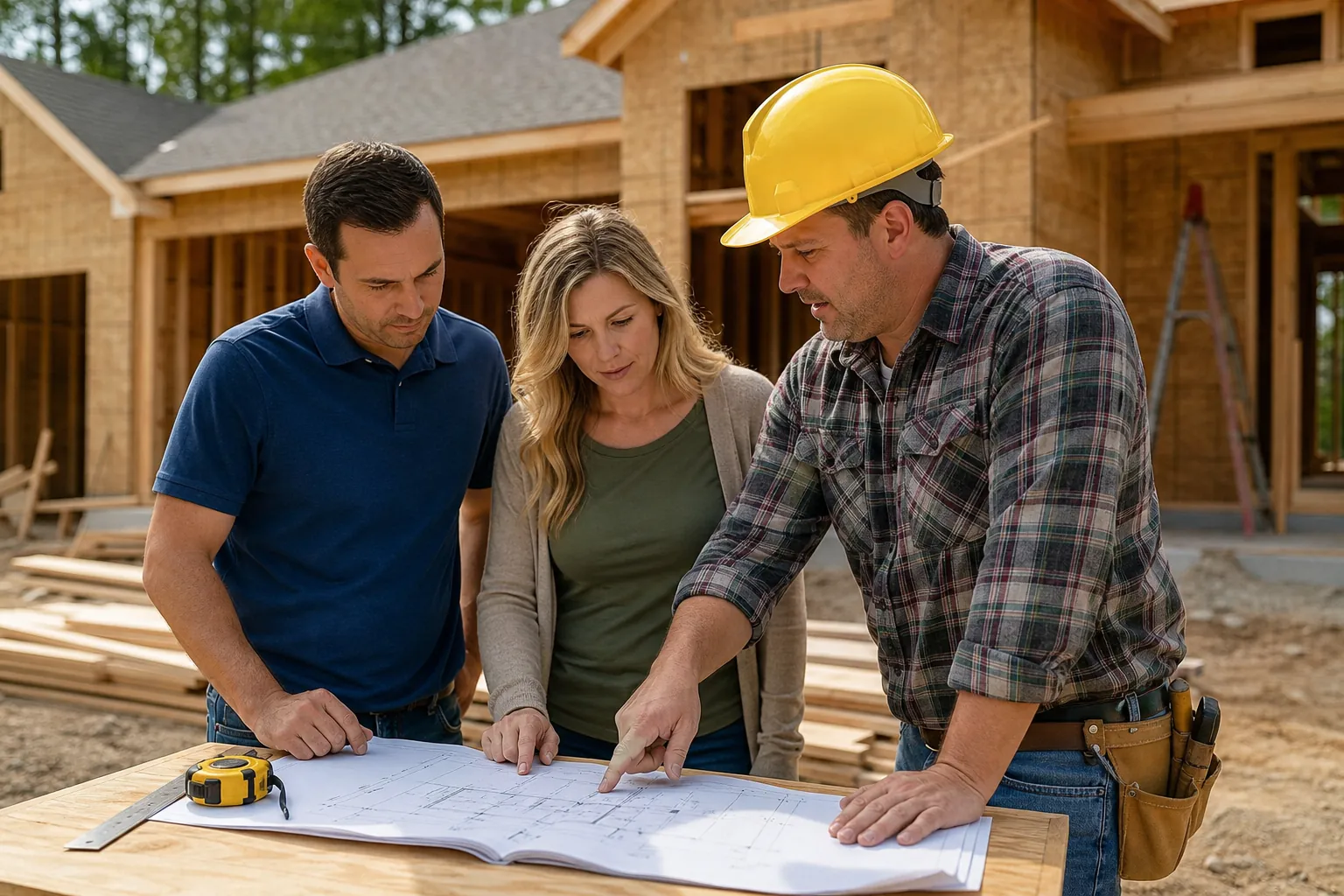
What should you check before hiring a contractor?
Check the business identity, relevant credentials, insurance information, and references before signing. Ask for evidence tied to the party named in your contract. The remodeling estimate comparison guide supports a consistent review. For bathroom work, use the questions to clarify bathroom estimates to connect those checks with the proposed scope.
Confirm the legal business name and your main contact. Ask who will sign the agreement and receive payments. Names on the proposal, contract, and payment requests should make sense together. Ask about any differences before moving ahead.
Check any required North Carolina license through the responsible licensing authority. Confirm its current status and relevance to the proposed work. A logo or license number alone isn't enough. Requirements can depend on project scope and other factors.
Request current insurance information and ask how to verify it. Discuss who carries coverage for workers and subcontracted tasks. Your own insurance agent can explain questions about your policy. Don't assume a contractor's coverage settles every household risk.
Ask for recent references with work similar to your project. With permission, ask how scope changes and setbacks were handled. Focus on communication, billing, site care, and closeout. A beautiful finish tells only part of the story.
Review examples for evidence of relevant work, rather than style alone. Ask what the contractor actually managed on each project. Photos may show finished rooms without showing hidden work. They don't establish license status, insurance, or contract practices.
Keep dated notes from each check in one folder. Record who supplied the information and what remains unclear. Give each candidate a fair chance to answer. Unresolved gaps deserve attention before you make a commitment.
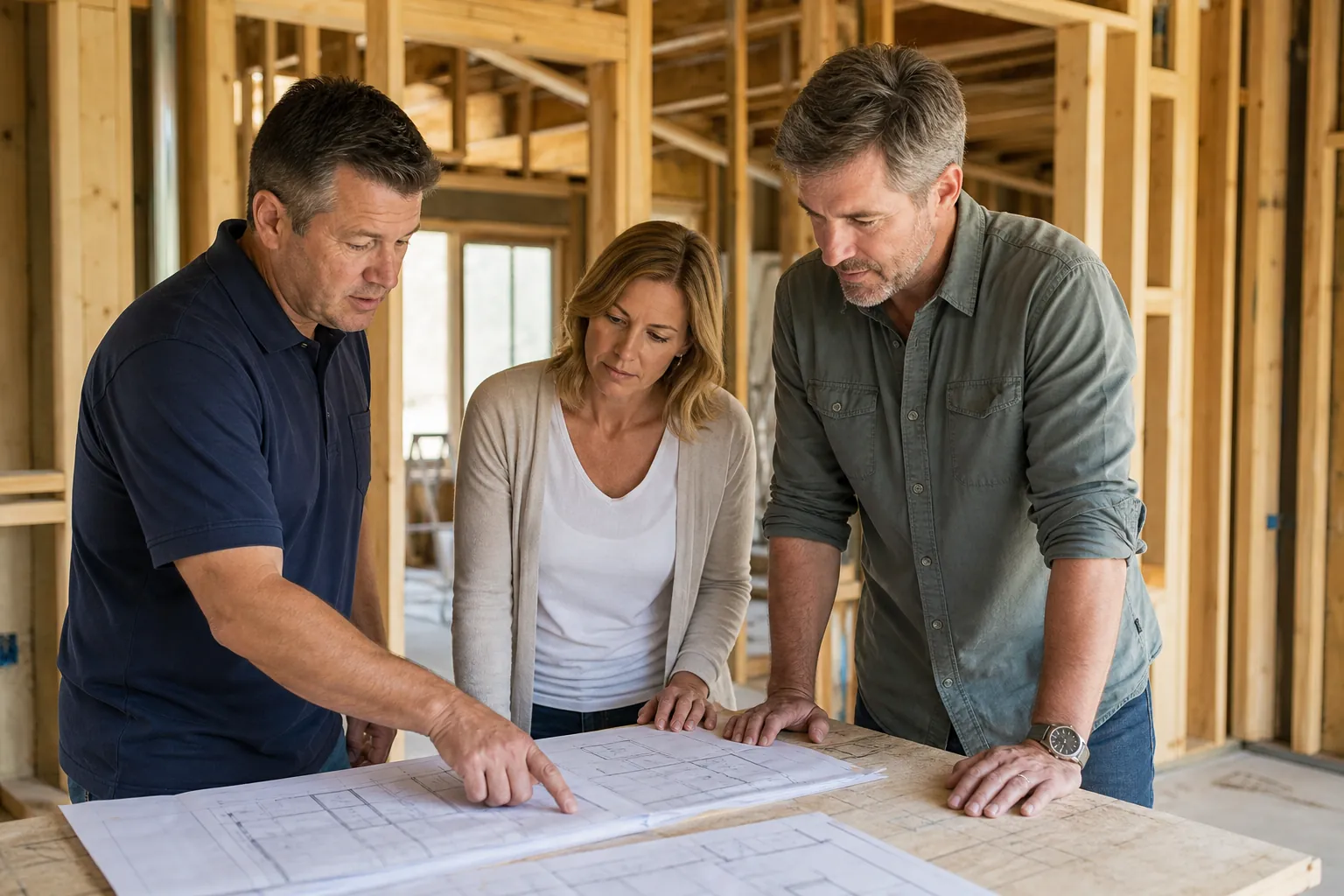
How do you compare estimates beyond the total?
Compare the work included, assumptions, allowances, exclusions, and payment terms before comparing totals. A cheaper bid may leave more decisions unresolved. Start with the home remodeling estimate comparison guide. For a bathroom scope, the Charlotte bathroom remodel cost guide offers a separate cost discussion, not a Mooresville price quote.
Give each bidder the same plans and written brief. Ask them to identify what they priced and omitted. Then mark differences side by side. Don't treat two totals as equal offers until their scopes align.
An allowance is a budget placeholder for an unresolved selection. Ask what each allowance covers and how adjustments work. Installation, delivery, or related parts may be handled separately. Those details should be clear in the written proposal.
Separate known work from work that depends on site findings. Ask how hidden damage would be documented and priced. No early estimate can describe every concealed condition. The useful question is how both parties will manage discoveries.
The table below gives you a simple review format. Use it to flag gaps, rather than score bids automatically. One unclear item may deserve more attention than several small differences. Ask for a revised scope when an answer changes the offer.
Request clarifications in writing before choosing a contractor. Keep the earlier proposal so you can track changes. A revised total should have a clear reason. Avoid assuming that a verbal promise became part of the final price.
| Review point | What to compare | Question to ask |
|---|---|---|
| Scope | Included and excluded tasks | What work remains outside this bid? |
| Allowances | Selection budgets and covered items | How will actual costs be reconciled? |
| Unknown work | Assumptions and review steps | How will discoveries be documented? |
| Payments | Amounts tied to defined stages | What confirms each stage is complete? |
What belongs in the written contract?
The contract should describe the work, payment terms, change process, and each party's duties. It should also identify the documents that control the project. The guide to reviewing remodeling estimates helps expose scope gaps. Use the bathroom estimate clarification checklist when reviewing unresolved bathroom details before signing.
Read the full agreement, including all attachments and exclusions. Make sure the final drawings and scope are identified. Old versions can create disputes about what was selected. Ask how conflicts between documents will be resolved.
Review the payment schedule against clear project stages. Ask what records support each payment request. Understand how deposits, stored materials, and final payment are handled. A qualified adviser can review terms you don't fully understand.
Changes need a process before the first change occurs. Ask who may approve added work and revised costs. Clarify how changes affect the schedule. Keep approval records in a shared place that both parties can find.
Discuss cancellation, dispute handling, and unfinished work before signing. Read any written warranty terms rather than relying on summaries. Ask who handles product claims and workmanship concerns. Seek qualified legal advice when contract duties or remedies remain unclear.
Don't sign with blank spaces for important project terms. Ask for corrections before adding your signature. Keep a complete copy of the signed agreement. Save later revisions with the original, rather than replacing earlier records.
- Identify the final scope, drawings, selections, and exclusions in writing.
- Define payment stages and the records needed to support each request.
- Explain how both parties approve added costs and schedule changes.
- Name the project contact and describe the process for resolving concerns.
Who confirms permits and plans in Mooresville?
Confirm permit and review needs with the authority responsible for your address. Then put filing, fee, and inspection duties in writing. The remodeling estimate review guide helps compare those duties across bids. The bathroom estimate scope questions can help identify permit assumptions within a bathroom proposal.
A Mooresville address alone doesn't settle every review question. The work type and property location can affect the process. Ask the responsible local office which reviews apply. Describe the actual project instead of asking about remodeling in general.
Ask the contractor who prepares and submits required documents. Clarify who responds to plan comments and schedules inspections. Find out what must happen before work proceeds. Those tasks should have named owners rather than vague promises.
Keep neighboring jurisdictions' guidance in its proper context. Mecklenburg County's Residential Plan Review describes that county's process. It doesn't establish requirements for a Mooresville project. Confirm the applicable process with the authority serving your property.
Site changes may raise questions beyond the room itself. An addition, changed footprint, or drainage work can require further review. Ask the local authority what information it needs. Don't treat an online example as approval for your property.
Distinguish contractor coordination from professional design decisions. Ask who addresses structural or other technical questions when needed. Use the appropriate licensed professional for those decisions. A contractor's estimate doesn't replace a project-specific technical review.
Save permit records, review comments, and inspection documents together. Ask which records you will receive at closeout. Clarify how open items will be tracked. This gives you a clearer record of what happened throughout the project.
How will the contractor manage your occupied home?
Ask for a daily work plan that covers access, dust, cleanup, and communication. Living through construction takes planning beyond the finish choices. Use the guide to comparing remodeling proposals to compare site duties. The remodel material selection guide offers related reading when product choices need further review.
Discuss which rooms will remain usable during each phase. Ask how planned water or power interruptions will be communicated. Share household needs that affect access or timing. The contractor should explain limits before the work starts.
The U.S. EPA's Addressing Indoor Environmental Concerns During Remodeling covers general indoor concerns. Its guidance supports discussing dust, pollutants, and work-area separation before remodeling. It isn't a project-specific assessment. Ask qualified professionals about hazards suspected in your home.
Ask how the team will separate work areas from living areas. Discuss cleanup, waste removal, and storage of tools and materials. Keep children and pets away from active work areas. Confirm access rules directly with the contractor.
Set a routine for progress updates and questions. Know who speaks for the contractor each day. Ask how urgent concerns differ from routine selection questions. A clear contact plan can reduce missed messages and conflicting directions.
Also discuss where deliveries and vehicles may go. Identify areas that need protection before materials arrive. Share relevant property rules without assuming the crew knows them. Record agreed arrangements in the project notes.
- Confirm work hours and explain household routines that affect daily access.
- Identify the main contact and agree on a regular update method.
- Discuss dust control, cleanup, storage, and separation of active work areas.
- Ask how planned service interruptions and delivery changes will be communicated.
How do you make the final contractor choice?
Choose the contractor whose documented plan best fits your scope, budget, and needs. Resolve important gaps before accepting an offer. Revisit the home remodeling estimate review guide for a final comparison. For bathroom projects, the guide to clarifying bathroom estimates helps check details that could change the decision.
Review each candidate against the same short set of priorities. Include scope clarity, verified information, communication, and payment terms. Note where one offer places more risk on you. The best fit may differ from the lowest starting price.
Look at how questions were handled during selection. Clear answers and timely revisions make the proposal easier to assess. Pressure to skip checks deserves a pause. So do repeated changes that nobody can explain in writing.
Ask about the proposed sequence before treating a start date as firm. Materials, design decisions, reviews, and other tasks may affect timing. Clarify which steps must happen first. Get a revised schedule when key assumptions change.
Hold a final scope meeting before work begins. Review drawings, selections, access, contacts, and open decisions. Confirm which items remain unresolved and who owns each task. Send a written summary and request corrections.
Keep your decision record with the signed contract. Save the selected proposal, revisions, and key messages. If concerns remain, seek the right qualified advice first. It's easier to resolve a gap before work changes your home.
Use the same care when speaking with any remodeling business. Ask what it offers for your specific project and address. Confirm fit through documents and direct answers. A useful next step is a scope discussion, not an early commitment.
Questions about next steps? Call CDG Carolinas at (704) 619-6293 or review services.
Which local review applies in Mooresville, NC?
Iredell County’s Central Permitting page links separate guidance for obtaining building permits in Mooresville and its extraterritorial jurisdiction. Confirm the current Town and County path for the exact address before fixing the work sequence. See the official local review resource.
Requirements can change. Confirm the current path for the property and proposed work with the responsible authority.
Frequently Asked Questions
Is it useful to meet the person who will supervise daily work?
Yes, ask who will lead the work on site. That person may differ from the estimator or business owner. Discuss how questions, inspections, and subcontracted tasks will be coordinated. If staffing changes, ask how you'll be informed. Record the main contact and backup contact before work begins.
Can I buy fixtures or materials myself?
Ask before buying anything for the project. Owner purchases can affect measurements, delivery, storage, installation, and product claims. Get written agreement on who checks compatibility and handles damaged or missing parts. Also clarify what happens if a late delivery delays planned work. A low purchase price may leave other costs unresolved.
What if a contractor won't provide customer references?
Ask why references aren't available and what other relevant evidence can be reviewed. Customer privacy may limit direct contact, but that doesn't remove your need for checks. Look for clear project records and independently verified business information. If you still lack enough evidence, pause rather than filling gaps with assumptions.
Should every subcontractor be named before I sign?
Ask which trades are expected and how those firms are selected. Some names may remain unsettled early in planning. Clarify who checks required credentials, directs their work, and handles payment. Your contract should make management duties clear. Ask how later trade changes will be communicated to you.
What should I collect when the project ends?
Ask for the closeout document list before construction starts. Depending on the work, it may include inspection records, product details, care instructions, and written warranty terms. Review unfinished items together and record the plan for addressing them. Keep final invoices and change records with the original contract for future reference.
Sources
- Addressing Indoor Environmental Concerns During Remodeling, U.S. EPA
- Residential Plan Review, Mecklenburg County
Call (704) 619-6293 to talk through next steps.