

Comparing general contractor proposals in Charlotte requires more than checking the total at the bottom of each document. A lower number may reflect a narrower scope, smaller allowances, or more exclusions. A higher number may include work or materials that another proposal leaves unresolved. Before choosing, organize every proposal around the same questions: What is included, what is excluded, what remains uncertain, and how will changes affect the final amount?
Start by Confirming That Every Proposal Covers the Same Scope
Begin with the written scope, not the price. List each part of the project and confirm where it appears in every proposal. Broad phrases such as “complete renovation” do not explain who handles preparation, removal, installation, finishing, cleanup, or other project details. Ask for clarification whenever a proposal groups several tasks into one line without describing the work.
Create a simple comparison table with one column per contractor and one row per project element. Mark an item only when the proposal addresses it clearly. If one proposal includes a task and another does not mention it, do not assume the second contractor included it. Treat silence as a question that needs a written answer.
Also compare the plans, selections, and assumptions behind each document. If contractors priced different materials or interpreted the project differently, their totals are not directly comparable. A consistent scope gives homeowners a sound basis for evaluating the remaining terms.

Separate Fixed Work From Allowances and Unresolved Selections
Allowances are placeholders for items that have not been selected or fully priced. They can make a proposal look complete even though part of the final cost remains unsettled. Identify every allowance, the amount assigned to it, what that amount covers, and whether related labor or other costs appear elsewhere.
For example, an allowance may refer only to the purchase of a selected item. The proposal should make clear whether delivery, installation, or associated work is included. Compare allowance amounts across proposals carefully. A smaller allowance lowers the initial total but may create a larger adjustment after selections are made.
Homeowners planning a bathroom project can review bathroom remodel allowance planning in Charlotte for a focused way to organize selections and placeholders. Whenever possible, make key selections before signing. When that is not practical, request a clear allowance schedule and ask how overages, unused amounts, substitutions, and selection deadlines will be handled.
Review Exclusions, Assumptions, and Owner Responsibilities
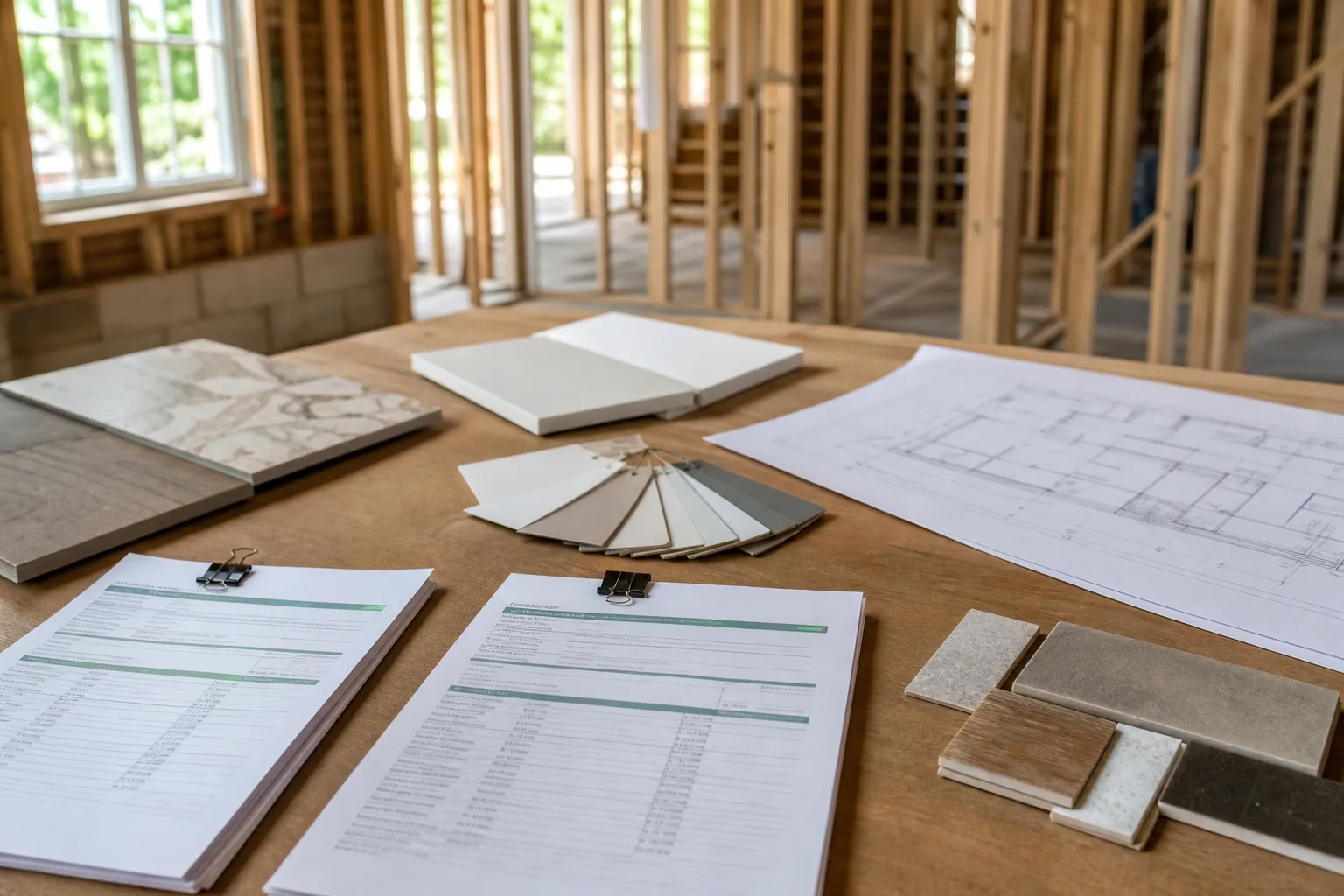
The exclusions section can be as important as the included scope. Read it line by line and note any responsibility assigned to the homeowner. A proposal may depend on the owner supplying materials, moving belongings, arranging access, making selections by certain dates, or coordinating work that is outside the contractor’s document. Those obligations can affect cost and timing.
Look for assumptions about existing conditions as well. Remodeling work can involve areas that are not visible before the project begins. The proposal should explain how newly discovered conditions would be documented, priced, and approved. Avoid relying on verbal assurances that do not appear in the written terms.
- Underline every exclusion and assign responsibility for it.
- Circle vague words such as “standard,” “typical,” or “as needed.”
- List owner-supplied items and required decision dates.
- Ask which assumptions could lead to additional work.
- Request written revisions when an answer changes the proposal.
This review turns hidden differences into visible decision points and reduces the chance of comparing incomplete totals.
Compare Schedule, Payment, and Change Procedures
A proposal should help you understand how the project will move from agreement to completion. Review any stated scheduling assumptions, project sequence, and events that could affect timing. If a document does not address schedule expectations, ask how timing will be communicated and updated. Do not interpret an informal conversation as a firm written commitment.
Next, compare payment terms. Note the amount due at each stage and what completed work, delivered material, or project milestone corresponds to that payment. The lowest deposit is not automatically the best term, and the most detailed payment schedule is not automatically the fairest. The goal is to understand the relationship between payments and progress.
Change procedures deserve equal attention. Ask whether changes require written description, pricing, and approval before the affected work begins. Determine how additions, deletions, credits, and schedule effects will be recorded. A clear process protects the decision-making record. It also helps homeowners distinguish an approved scope change from work they reasonably believed was already included.
Evaluate Clarity and Resolve Differences Before Choosing
After reviewing scope, allowances, exclusions, schedule, payments, and changes, prepare one final question list for each contractor. Ask the same core questions so the answers remain comparable. Request written clarification rather than filling gaps with assumptions. If an answer materially changes the scope or total, ask for a revised proposal or written addendum.
Then compare the complete documents, not isolated totals. Consider how clearly each proposal defines the project and how many important decisions remain unresolved. A proposal with fewer details may require more follow-up before it can support an informed choice. A detailed proposal can still contain unfavorable terms, so clarity should support careful review rather than replace it.
Before signing, confirm that the final document includes all agreed revisions and references the correct project information. Save the proposal, attachments, selection notes, and written clarifications together. This organized record can guide decisions throughout the project and provide a shared reference if questions arise later.
Discuss Your Proposal Questions
If you are comparing a general contractor proposal in Charlotte and want to discuss the document calmly, call CDG Carolinas at (704) 619-6293. Have your scope, allowance list, exclusions, and questions ready so the conversation can stay focused.
Call (704) 619-6293 to talk through next steps.