
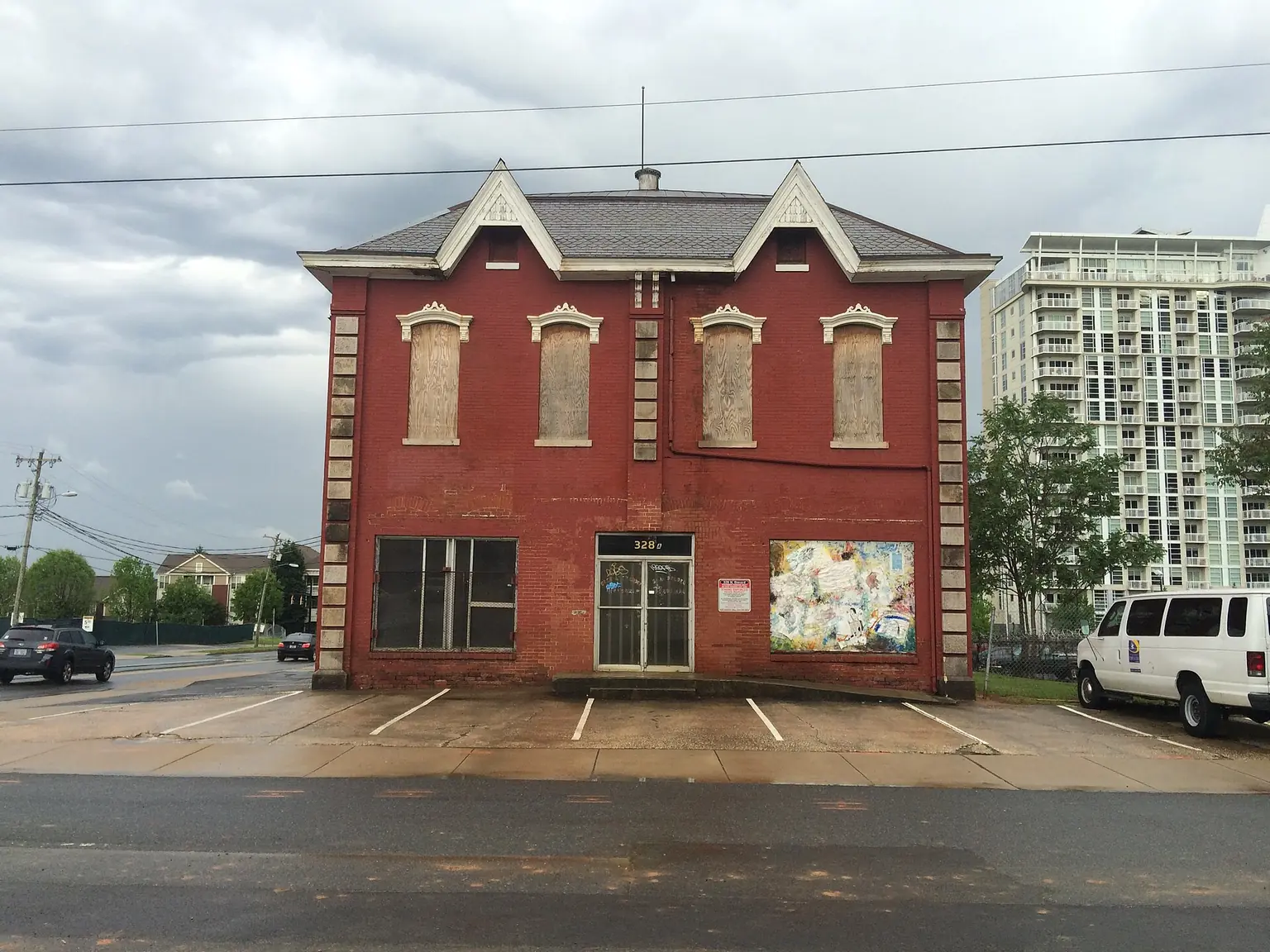
Photo: William Treloar House 1 by Fortibus, CC BY-SA 4.0, via Wikimedia Commons
Preserving Charlotte’s Architectural Heritage
Charlotte, North Carolina, is renowned for its blend of modern vibrancy and historic charm. Neighborhoods like Dilworth, Fourth Ward, and Myers Park are filled with homes that tell the story of the city’s past. For homeowners, these historic properties offer unique beauty and a sense of continuity with Charlotte’s history. However, remodeling a historic home comes with a set of unique challenges—especially when it comes to understanding remodel limits and regulations.
What Defines a Historic Home in Charlotte?
Before embarking on any remodeling project, it’s important to determine whether your property is officially considered historic. In Charlotte, a home may be classified as historic if it’s located within a designated historic district or if it has been individually landmarked by the Charlotte-Mecklenburg Historic Landmarks Commission (CMHLC). These designations come with specific rules designed to protect the character and integrity of the property and the surrounding neighborhood.
Key Remodel Limits for Historic Homes
Remodeling a historic home in Charlotte isn’t as straightforward as updating a newer property. The city and local preservation commissions have guidelines that affect what changes you can make, both inside and out. Here are some of the primary remodel limits homeowners should be aware of:
- Exterior Modifications: Any changes to the façade, roofline, windows, doors, or porches usually require approval from the Historic District Commission (HDC). The goal is to maintain the historic appearance and materials as much as possible.
- Materials and Construction Methods: Using original or period-appropriate materials is often required. For example, replacing wood siding with vinyl may not be permitted.
- Additions and Expansions: Adding onto a historic home is possible, but additions must be compatible with the original structure in scale, design, and materials. Rear or side additions are generally preferred over changes to the front elevation.
- Demolition Restrictions: Full or partial demolition of a historic home is rarely approved unless the structure is beyond repair. Even then, extensive documentation and review are required.
- Interior Changes: While interior remodels are less regulated, some landmarked properties may have restrictions on significant interior features, especially if they contribute to the home’s historic value.
The Permit and Review Process
Before starting any remodel, homeowners must apply for a Certificate of Appropriateness (COA) from the HDC if the property is within a historic district. This process involves submitting detailed plans, materials lists, and sometimes attending commission meetings to answer questions. The review ensures that proposed changes align with the district’s design guidelines.
For homes outside historic districts but designated as landmarks, the CMHLC oversees similar review processes. Permits from the City of Charlotte’s Building Department are also required for most structural work, regardless of historic status.
Common Challenges and How to Overcome Them
Remodeling a historic home in Charlotte can be rewarding, but it’s not without its hurdles. Homeowners often face challenges such as:
- Longer Timelines: The review and permitting process can add weeks or months to your project timeline.
- Higher Costs: Sourcing period-appropriate materials and skilled craftsmen may increase project expenses.
- Design Constraints: Strict guidelines may limit your options for layout changes, additions, or modern upgrades.
Working with an experienced remodeler like CDG Carolinas can help you navigate these challenges. Our team is familiar with Charlotte’s historic guidelines and can help you plan a renovation that meets both your needs and regulatory requirements.
Tips for a Successful Historic Home Remodel
To make your remodel as smooth as possible, keep these tips in mind:
- Start With Research: Understand your home’s historic status and the specific guidelines that apply.
- Engage Early With Authorities: Contact the HDC or CMHLC early in your planning process to clarify requirements and expectations.
- Work With Specialists: Choose remodelers, architects, and contractors who have experience with historic properties in Charlotte.
- Document Everything: Keep detailed records of your plans, materials, and communications with regulatory bodies.
- Be Patient: Allow extra time for reviews, sourcing materials, and unexpected discoveries during construction.
How CDG Carolinas Can Help
At CDG Carolinas, we understand the balance between preserving Charlotte’s architectural history and creating comfortable, modern homes. Our team has extensive experience guiding homeowners through the historic remodel process, from initial planning and design to navigating permits and executing the work with care and precision.
If you’re considering a remodel for your historic home in Charlotte or anywhere in North Carolina, we’re here to help you every step of the way. We’ll ensure your project respects both the spirit of your home and the regulations that protect it.
Ready To Start Your Historic Home Remodel?
Remodeling a historic home in Charlotte can be complex, but with the right guidance, it’s also incredibly rewarding. If you have questions about historic home remodel limits in Charlotte or need help planning your project, reach out to CDG Carolinas. Our knowledgeable team is ready to assist you. Call us at (704) 619-6293 for a calm, expert conversation about your vision and how we can help bring it to life while honoring your home’s unique history.
Call (704) 619-6293 to talk through next steps.