
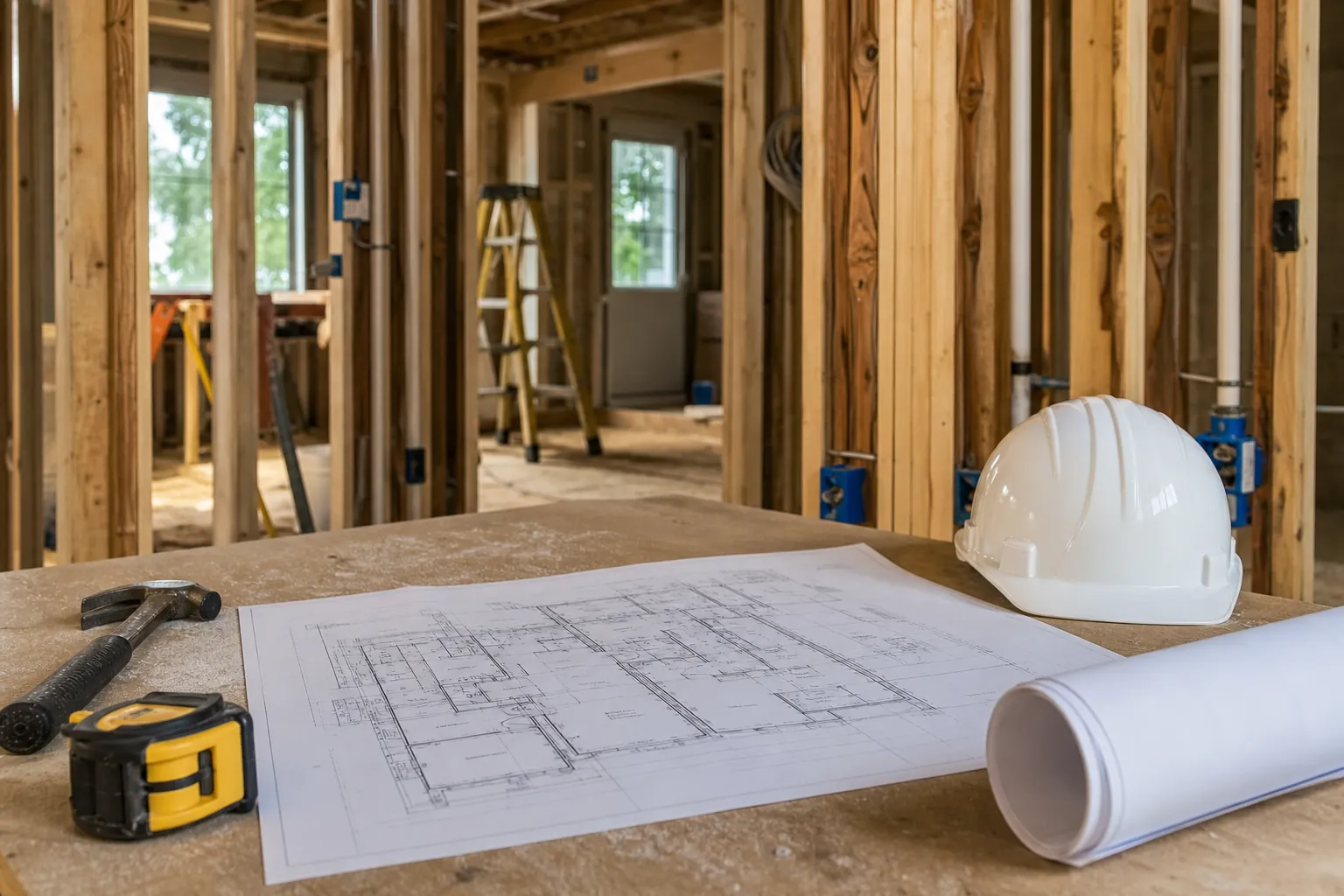
Before construction begins, an investment property owner needs more than a list of included work. The exclusions deserve equal attention. An exclusion identifies work, materials, conditions, or costs that are not part of the agreed scope. If that language is vague, two parties can read the same proposal and form very different expectations. Charlotte investors should review exclusions line by line, connect each one to a responsible party, and resolve uncertain items before approving the project.
Start With the Boundaries of Demolition and Preparation
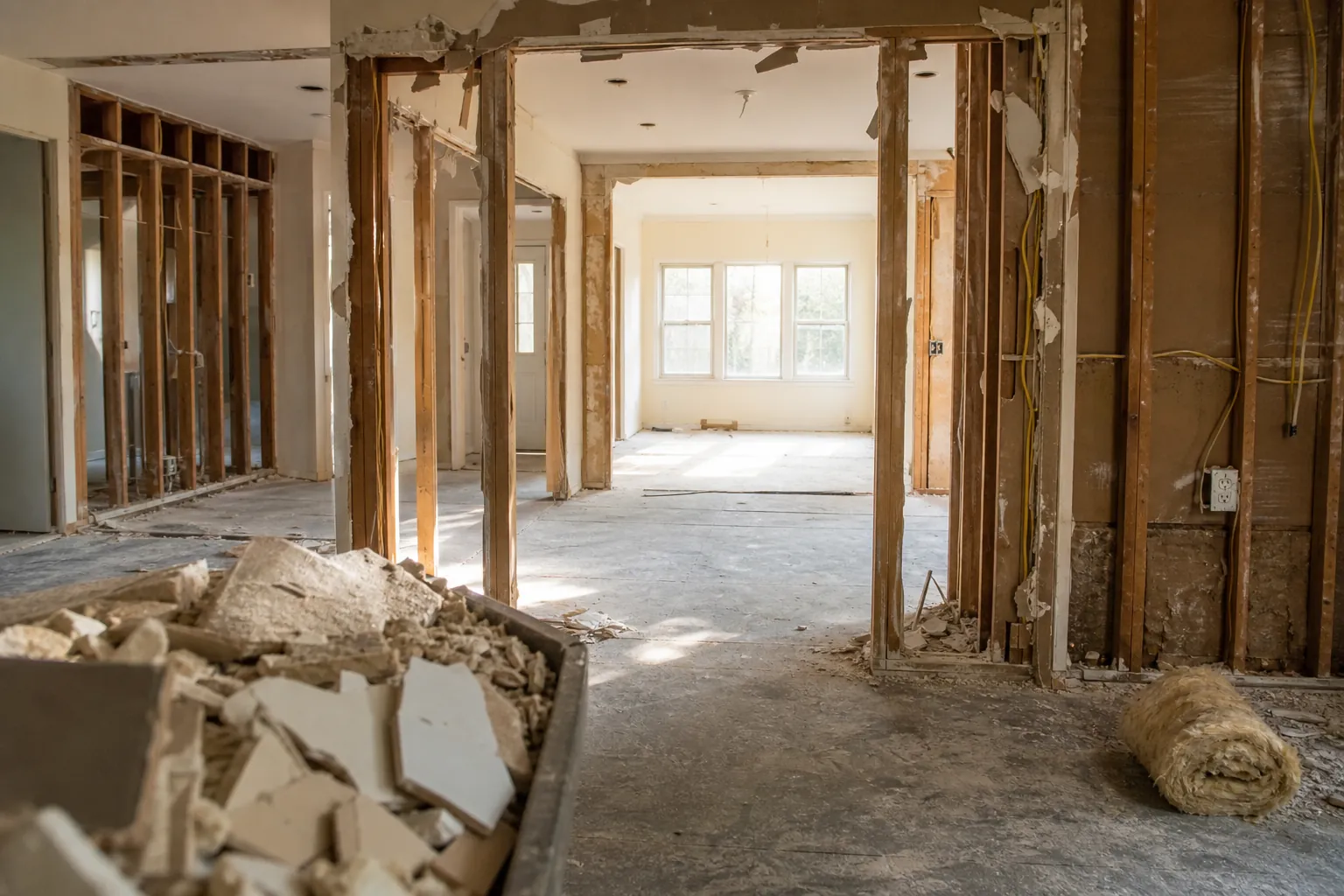
Demolition descriptions should explain exactly what will be removed and what will remain. A phrase such as “remove existing finishes” may not answer whether the scope includes cabinets, flooring beneath cabinets, wall coverings, trim, fixtures, fasteners, adhesive, or damaged backing materials. Ask for room-by-room boundaries and identify any surfaces that must be protected.
Preparation work also needs definition. Confirm whether the written scope addresses moving contents, disconnecting equipment, protecting occupied areas, dust containment, temporary access, and preparing substrates for new finishes. If the property contains tenant or owner belongings, establish who must clear each work area and by what date.
Finally, distinguish visible demolition from concealed conditions. Opening a wall or removing flooring can reveal deterioration, unsuitable prior work, moisture-related damage, or other conditions that were not visible during estimating. The agreement should state that concealed work is excluded unless listed, then describe how additional findings will be documented, priced, and approved. This prevents discovery from becoming automatic authorization for unplanned work.
Clarify Permits, Reviews, and Third-Party Responsibilities
Do not assume that every administrative or third-party item is included. The scope should state whether permits, plan preparation, inspections, engineering, testing, utility coordination, association review, or other approvals are included, excluded, or assigned to the property owner. Requirements can depend on the work and the property, so the practical goal is not to predict every requirement. It is to establish responsibility if one applies.
Ask whether listed pricing includes related fees and whether revisions requested by an authority or third party would change the price or schedule. If documents must be supplied by the investor, identify them before work begins. These might include property information, existing plans, association rules, access instructions, or approval records.
Responsibility should also include timing. An owner-controlled approval can delay a start or interrupt progress if it is not secured when needed. A clear scope identifies who submits information, who answers questions, who pays applicable costs, and what happens when an outside decision changes the planned work. Written assignment is more useful than relying on assumptions.

Separate Allowances From Included Materials
An allowance is not the same as a fully specified material selection. It is a budgeting amount for an item that has not been finalized. Investors should identify every allowance and understand what it covers. Ask whether the amount applies only to the product or also includes tax, delivery, accessories, installation materials, and labor. A low product allowance can appear adequate until the complete installed cost is considered.
For each allowance, document the selection deadline, purchaser, ordering party, delivery location, and procedure for reconciling differences. If the final selection exceeds the allowance, the approval process should be clear. If it costs less, confirm how the credit will be calculated. Also ask what happens if a chosen item is unavailable or arrives late.
Bathrooms often contain several connected selections, so investors planning that area may benefit from this guide to bathroom remodel allowance planning in Charlotte. The same discipline applies throughout an investment property: replace open-ended product categories with written selections or transparent allowance terms before ordering.
Define Repairs, Finishing Details, and Site Conditions
Many scope disagreements occur at the edges of the visible work. A proposal may include installing a new component without including adjacent repair, painting, trim replacement, texture matching, or refinishing. Ask how penetrations, gaps, transitions, and disturbed surfaces will be handled. If matching existing materials is expected, clarify whether an exact match is possible and what alternative will be used when it is not.
Review exclusions involving existing systems and conditions. New work may depend on walls, floors, framing, wiring, plumbing, or other elements being suitable for the planned installation. The document should explain how unsuitable conditions are reported and whether investigation, correction, or replacement is outside the base price.
- Mark every room, surface, and item that will be changed.
- Identify adjacent areas that may need patching or protection.
- List owner-supplied products and confirm their required delivery dates.
- Record assumptions about access, utilities, parking, storage, and occupancy.
- Require written pricing and approval before excluded work proceeds.
This review turns general language into decisions that can be checked before construction starts.
Set Rules for Cleanup, Closeout, and Scope Changes
Cleanup can mean daily sweeping, removal of construction debris, final cleaning, or all three. The scope should say which level is included and who handles items that are not construction waste. Confirm whether hauling, disposal, temporary protection removal, and cleaning of affected surfaces are addressed. If landscaping, driveways, common areas, or neighboring spaces could be affected, define restoration responsibilities in advance.
Closeout expectations also need boundaries. Identify how incomplete or disputed items will be recorded, who will inspect the work, and what documentation is expected at completion. Avoid relying on a general promise that everything will be “finished,” because that word does not define the agreed scope.
Most importantly, establish a written change process. A useful change description states what prompted the change, what work will be added or removed, the price adjustment, and any expected schedule effect. Approval should occur before the changed work proceeds whenever practical. This gives an investor a current view of the project rather than a collection of verbal decisions that must be reconstructed later.
Review the Exclusions Before You Commit
Compare the proposal, drawings, selections, and property conditions in one review. Highlight every exclusion, assign responsibility, and request written clarification for anything that could affect cost or timing. To discuss your investment property renovation scope calmly and directly with CDG Carolinas, call (704) 619-6293.
Call (704) 619-6293 to talk through next steps.