
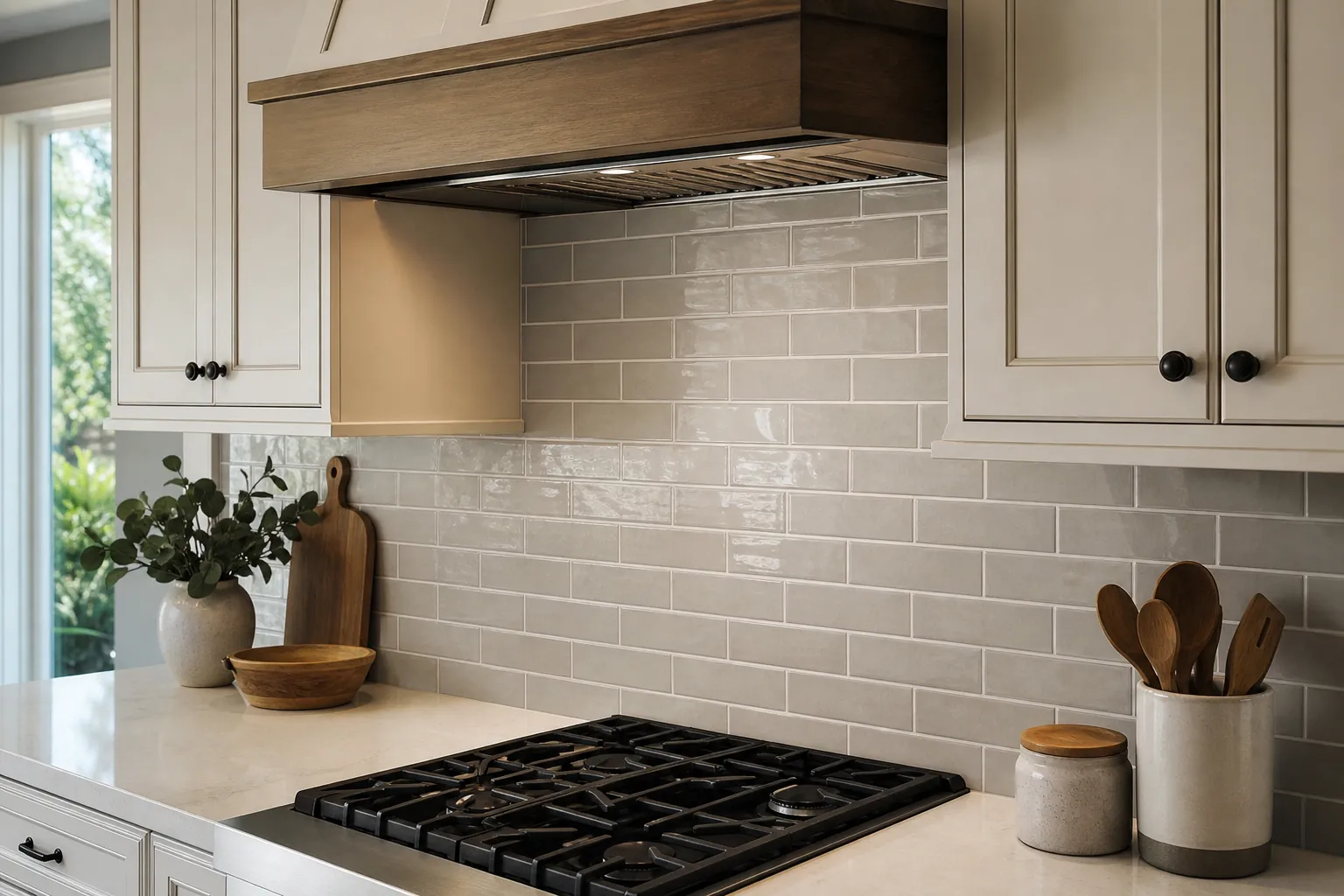
A kitchen backsplash may cover a relatively small area, but it has a major influence on how the entire room looks and functions. It protects walls from cooking splashes, simplifies cleanup, and creates a finished transition between countertops and cabinets. For homeowners considering kitchen backsplash installation in Charlotte, thoughtful planning is just as important as choosing an attractive tile.
CDG Carolinas helps homeowners throughout the Charlotte, North Carolina area make practical design decisions and achieve a clean, durable result. Whether the backsplash is part of a full kitchen remodel or a focused update, the material, layout, preparation, and finishing details should all work together.
Why a Professionally Installed Backsplash Matters
Backsplash installation can look straightforward, but kitchens often present hidden challenges. Walls may be uneven, countertops may not be perfectly level, and electrical outlets can interrupt a tile pattern. Corners, cabinet edges, windows, and range hoods also require precise cuts and careful planning.
A professional installer evaluates these conditions before setting tile. This allows the layout to be adjusted so narrow pieces do not appear in prominent locations and focal points remain balanced. Proper surface preparation also helps the tile bond securely and reduces the risk of loose pieces or cracked grout.
Good installation improves daily use as well. Consistent grout joints are easier to maintain, sealed transitions help manage moisture, and neatly finished edges keep the backsplash from looking incomplete. These details are especially visible under cabinet lighting, which can highlight uneven tile or poorly filled joints.
Choosing Materials for a Charlotte Kitchen
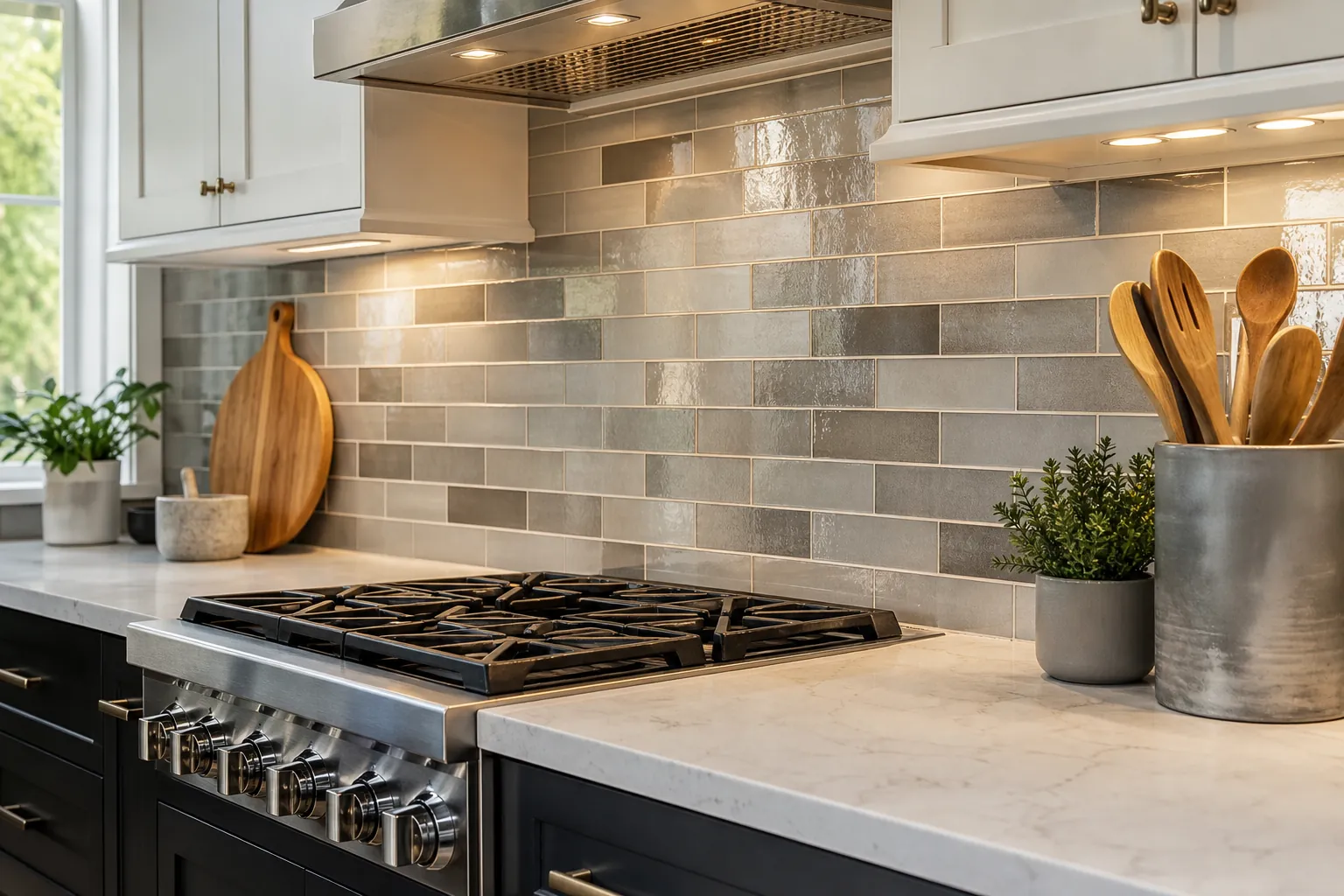
The right backsplash material depends on the kitchen's style, cooking habits, maintenance preferences, and budget. Ceramic and porcelain tile remain popular because they are durable, widely available, and offered in many colors and shapes. Porcelain is particularly dense and resistant to moisture, while glazed ceramic is generally easy to wipe clean.
Natural stone can add texture and variation, but it may require sealing and more attentive care. Marble offers a refined appearance, although acids, oils, and harsh cleaners can affect the surface. Glass tile reflects light and can brighten a compact kitchen, but careful cutting and adhesive selection are important for a uniform finish.
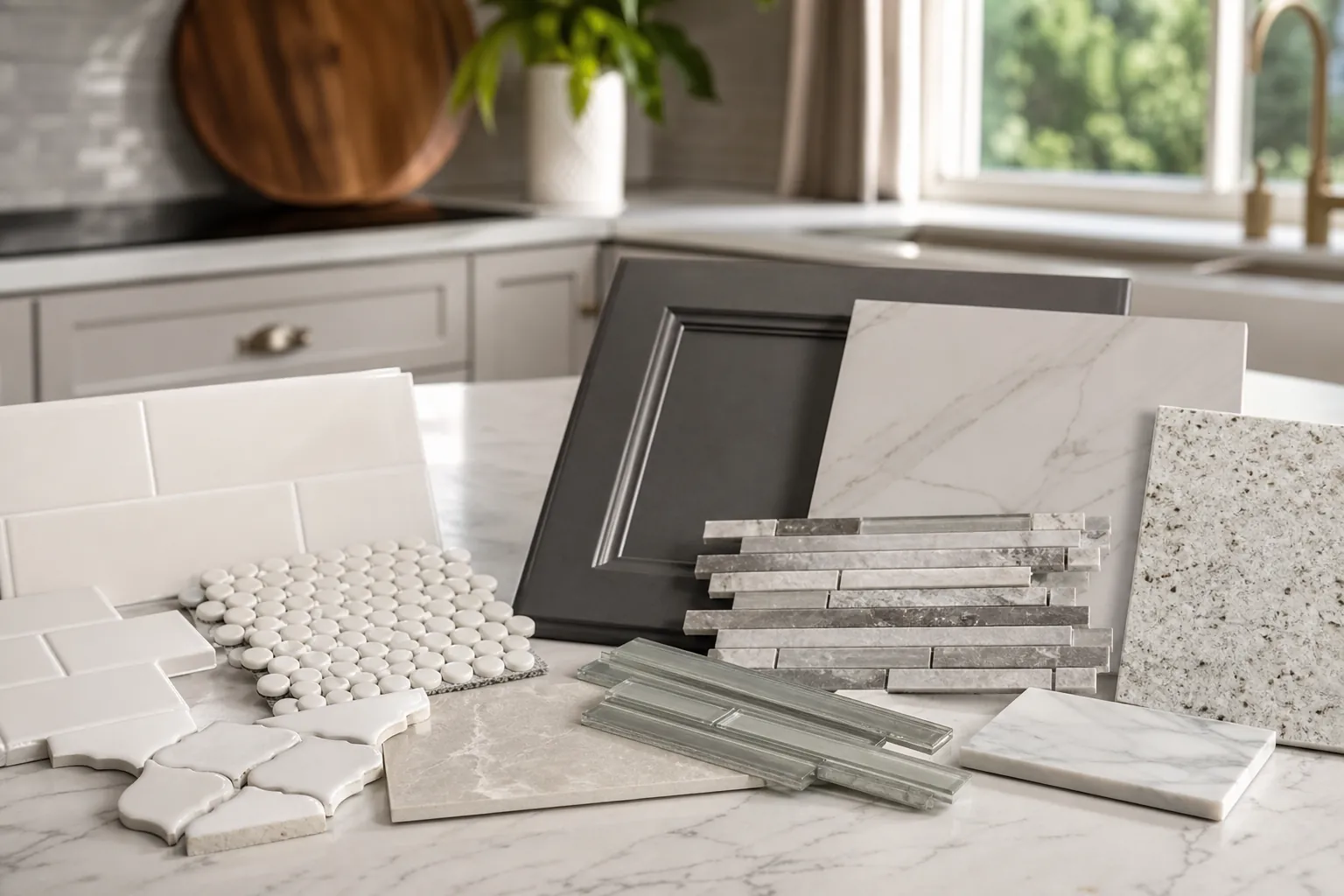
Homeowners may also consider larger-format tile or slab-style surfaces to reduce grout lines. These options can create a streamlined look, especially in contemporary kitchens. Before selecting a material, review full samples in the actual room. Charlotte's changing daylight and warm interior lighting can make colors look different than they do in a showroom.
Planning the Layout and Design
A successful backsplash should complement the countertops, cabinets, flooring, and fixtures without competing with every element. If countertops have strong veining or movement, a quieter backsplash can create balance. With simple countertops and cabinetry, patterned tile or a distinctive range feature may add welcome character.
Layout planning begins with measurements and sightlines. The installer identifies where full tiles should start, how the pattern will meet corners, and what happens around outlets. Centering the design behind a range or sink can create a focal point, but the rest of the room should still feel cohesive.
Key choices to make before installation include:
- Coverage area: Decide whether tile will stop beneath upper cabinets, continue to the ceiling, or wrap around windows and open walls.
- Pattern: Straight stack, running bond, herringbone, and vertical arrangements each change the visual proportions of the kitchen.
- Grout color: A close match creates a quieter surface, while contrasting grout emphasizes the tile shape and installation pattern.
- Edge treatment: Finished tile edges, trim pieces, metal profiles, or carefully detailed returns can provide a polished boundary.
- Outlet coordination: Device placement, cover color, and box depth should be considered before tile is installed.
- Maintenance needs: Busy cooking areas often benefit from smooth, nonporous surfaces and stain-resistant grout.
It is also wise to order extra material. Tile can vary between production lots, and spare pieces may be valuable if a repair is needed years later.
What the Installation Process Includes
The process begins with a site review and accurate measurements. Existing backsplash materials may need to be removed, and the wall is inspected for damage, grease, loose drywall paper, or uneven areas. A sound, flat, and clean substrate is essential for lasting adhesion.
After preparation, the installer establishes reference lines and dry-plans key sections. Adhesive is chosen for the tile type and wall conditions. Tiles are then placed with consistent spacing, and cuts are made around cabinets, receptacles, plumbing features, and trim.
Once the setting material has cured, grout is applied and cleaned from the tile surface. Depending on the materials, sealing may be recommended. Flexible sealant is typically used at changes of plane, such as where the backsplash meets the countertop or an inside corner, because those areas can experience slight movement.
Installation time varies with the size of the space, tile pattern, demolition needs, and number of detailed cuts. A simple backsplash may progress quickly, while mosaics, natural stone, or intricate focal areas require more time. CDG Carolinas can explain the sequence before work starts so homeowners know when the kitchen can return to normal use.
Preparing Your Kitchen for the Project
Before installation, clear countertops and remove small appliances, utensils, and decorative items. Create a temporary space for coffee preparation or simple meals if the kitchen will be limited during the work. Contractors may also need access to water, electricity, and a suitable area for cutting materials.
Confirm tile, grout, trim, and design decisions before the scheduled start. Last-minute material changes can affect availability and timing. If new countertops, cabinets, or electrical work are part of a larger remodel, the backsplash should be coordinated with those trades. In most cases, backsplash installation occurs after countertops are secured and major cabinet work is complete.
Caring for the Finished Backsplash
Routine care is usually simple. Wipe splashes promptly with a soft cloth and a cleaner approved for the tile and grout. Avoid abrasive pads that can scratch glazed surfaces or metal trim. Natural stone requires products formulated for stone, since acidic cleaners may cause etching or discoloration.
Inspect caulked joints periodically, particularly behind the sink. If sealant separates or shows wear, replacing it can help prevent moisture from reaching the wall. Follow any recommended schedule for resealing stone or grout. With appropriate care, a well-installed backsplash can remain attractive through years of cooking, cleaning, and everyday activity.
Discuss Your Charlotte Backsplash Project
The best backsplash brings together appearance, durability, and skilled execution. CDG Carolinas provides kitchen remodeling expertise for Charlotte-area homeowners who want guidance from initial material selection through final detailing. The goal is a backsplash that fits the room, supports daily routines, and looks intentionally designed.
To discuss your kitchen, preferred materials, or installation questions, call CDG Carolinas at (704) 619-6293. A calm, informed planning conversation can help you determine the right next step for your North Carolina home.
Call (704) 619-6293 to talk through next steps.