
Pets shape how a household uses its space. Dogs track in mud after a rainy walk, cats seek sunny perches, and food bowls often end up in busy pathways. A thoughtful renovation can address these everyday realities without making the home feel like a kennel or sacrificing the finishes you love.
Planning a pet friendly home remodel Charlotte homeowners can enjoy starts with understanding routines. Consider where your pet enters the house, sleeps, eats, plays, and receives care. CDG Carolinas uses those details to help North Carolina homeowners create practical spaces that remain comfortable and cohesive for everyone.
Start With Durable, Easy-Care Flooring
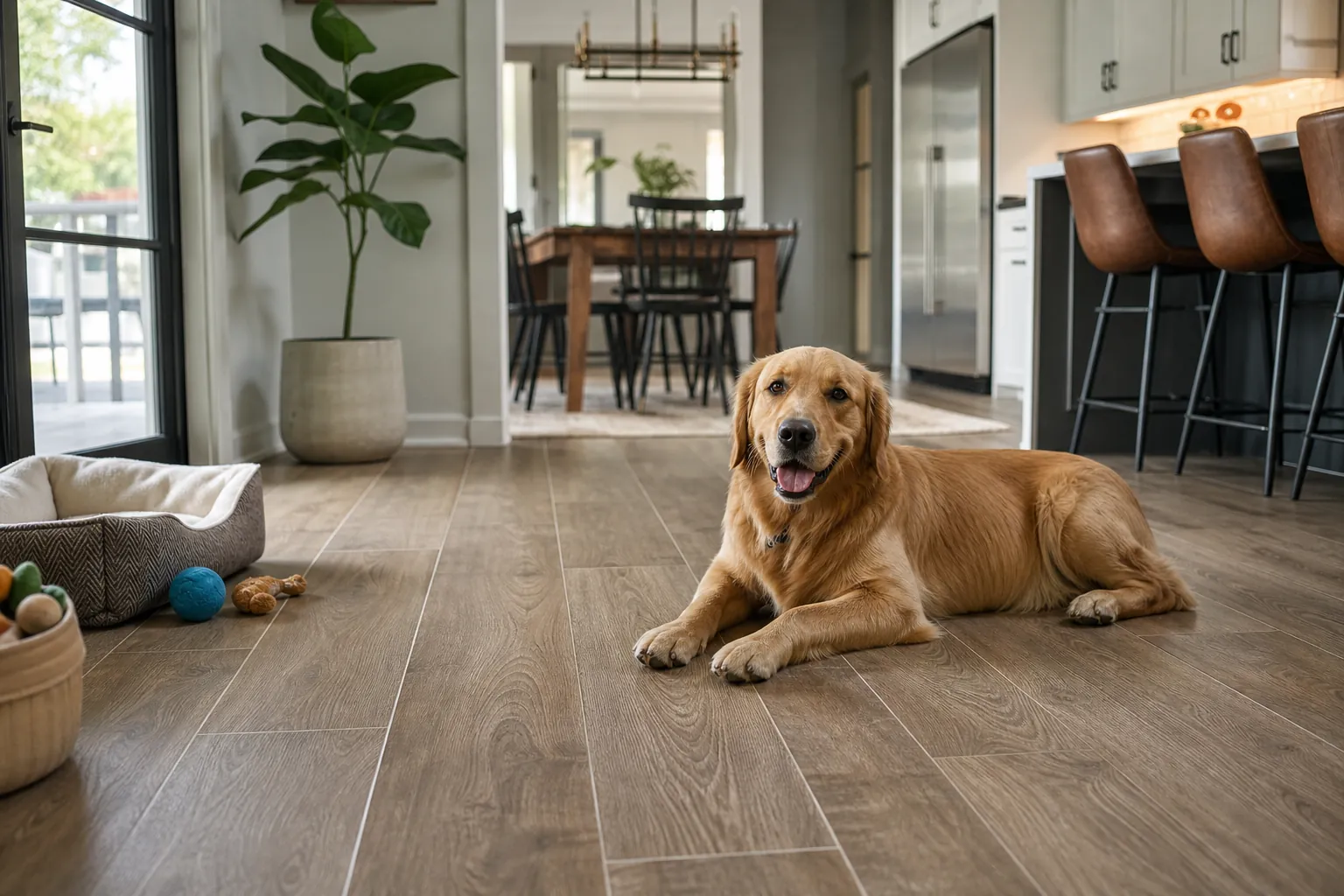
Flooring is one of the most important choices in a pet-friendly renovation. Claws, water bowls, shedding, and occasional accidents can be hard on delicate materials. Durability matters, but traction and comfort deserve equal attention. A highly polished surface may look attractive yet feel unstable to an older dog or an energetic puppy.
Luxury vinyl plank is often considered because it can provide water resistance, scratch resistance, and straightforward maintenance. Porcelain tile is another strong option for mudrooms, laundry rooms, and pet wash areas. Some engineered hardwood products may also work when selected with the pet's size, activity level, and likely wear in mind.
Color and texture can simplify upkeep. Mid-tone flooring with subtle variation tends to conceal fur, dust, and small marks better than very dark, glossy surfaces. Area rugs with washable materials and non-slip pads can add warmth while creating secure walking routes for pets with limited mobility.
Create An Organized Entry And Cleanup Zone
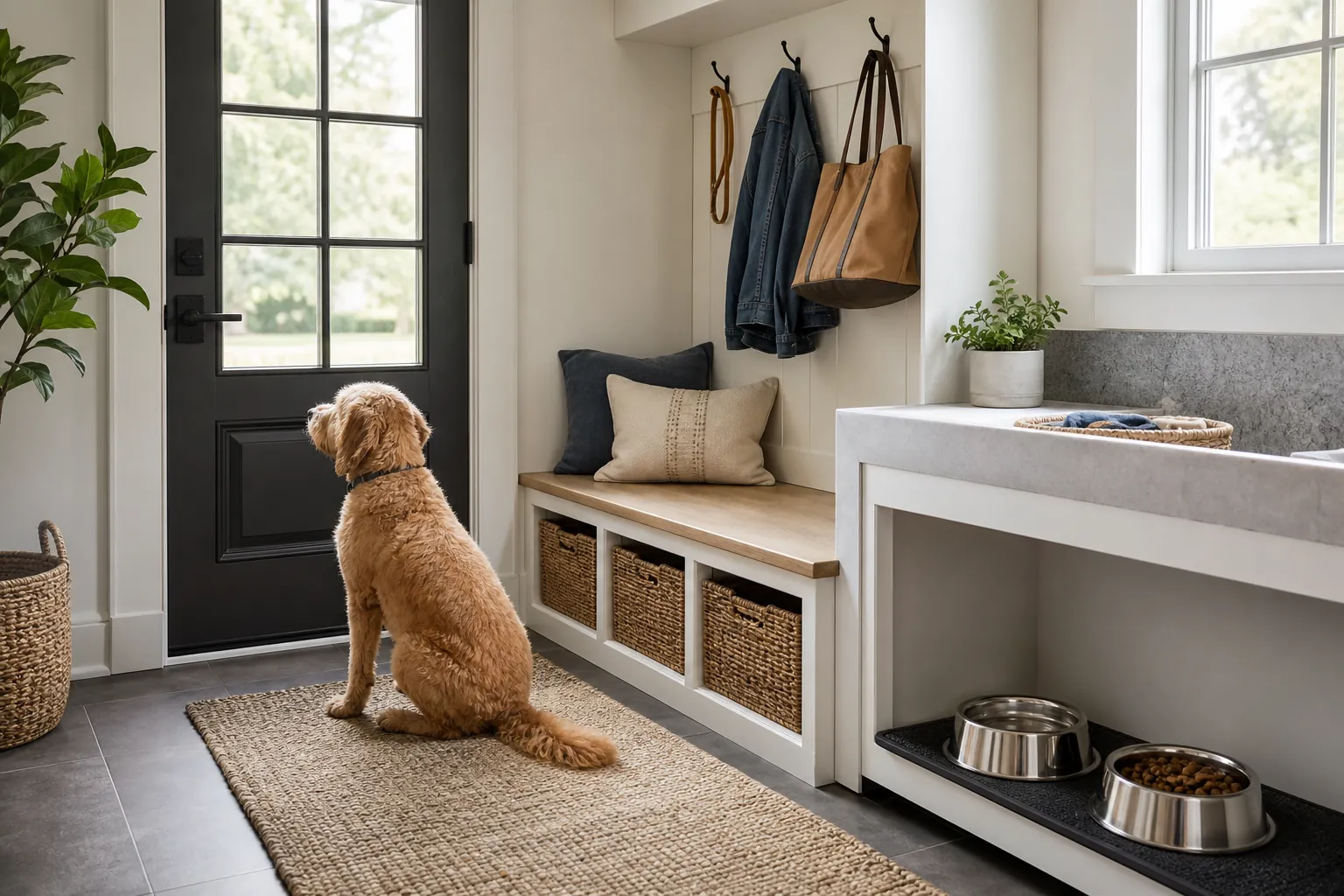
Charlotte weather can bring wet paws, pollen, red clay, and loose leaves indoors. A dedicated cleanup area near the most frequently used entrance helps contain the mess before it spreads. Depending on the home's layout, this zone might be part of a mudroom, laundry room, garage entry, or back hallway.
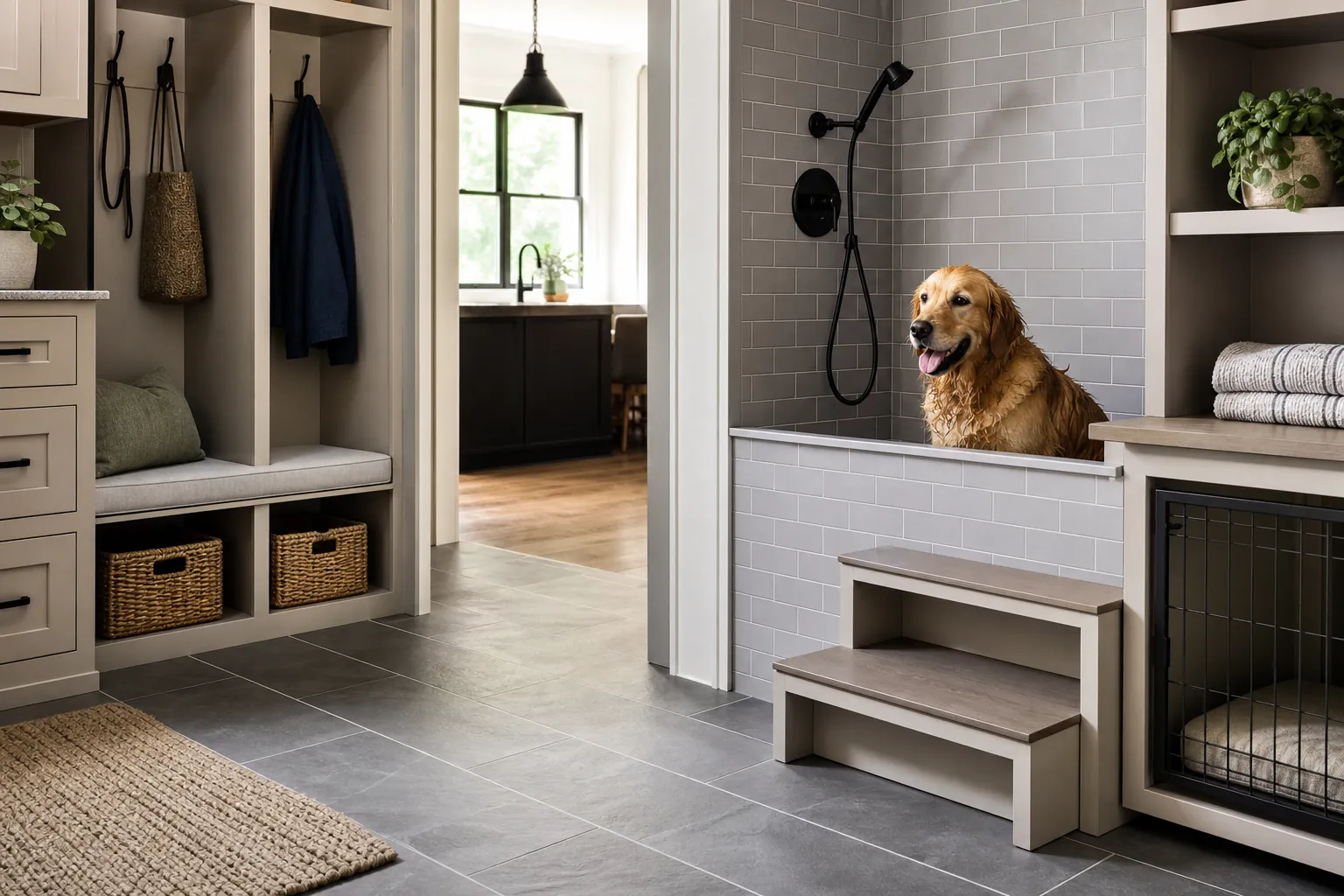
A pet washing station can be useful for active dogs, but it should be designed around the person using it too. A raised basin may reduce bending for small or medium dogs, while a low-entry shower is often easier for large or aging pets. A handheld sprayer, nearby towel storage, slip-resistant tile, and proper drainage make bathing safer and more convenient.
Useful features for an entry and care area include:
- Closed storage: Keep leashes, medications, grooming tools, and waste bags organized and away from curious pets.
- Washable surfaces: Choose wall finishes, cabinet fronts, and flooring that tolerate frequent wiping and moisture.
- Integrated hooks: Position hooks where adults can reach them but pets cannot snag or chew hanging gear.
- A drying spot: Reserve space for absorbent mats and towels without blocking the doorway.
- Ventilation: Manage humidity and odors around wet coats, bedding, litter boxes, and bathing areas.
- Secure access: Add a well-placed gate or interior door to prevent a pet from slipping outside during arrivals.
Build Pet Needs Into The Kitchen
Kitchens are social spaces, so pets naturally want to be nearby. Unfortunately, bowls and food containers can create clutter or tripping hazards. Custom cabinetry can provide designated storage for kibble, treats, supplements, and feeding supplies. Airtight containers may be housed in deep drawers or pull-out cabinets, making them accessible to people while keeping them secure from pets.
A recessed feeding station can keep bowls out of the main traffic path. Placement matters. Avoid locating food or water directly beside a hot oven, in front of a frequently opened cabinet, or where splashes could damage nearby materials. A water-resistant base and removable tray make cleanup easier.
Pet safety should also guide cabinet and appliance decisions. Trash and cleaning products may require latching storage. Knob placement on ranges should be reviewed if a large dog can reach the controls. A designer can also account for tails and paws when planning clearances around islands, stools, and busy work zones.
Plan Comfortable Resting And Retreat Spaces
Animals benefit from a quiet place where they can rest without being isolated. Built-in beds can fit beneath a counter, beside cabinetry, or in a low-traffic nook. The best location provides airflow, comfortable temperatures, and enough visibility for the pet to feel connected to the household.
Cats may prefer vertical territory. Reinforced shelves, window ledges, and climbing features can add enrichment without filling the floor with furniture. These elements should be securely anchored and positioned away from fragile displays. If a cat likes to watch birds, a wider sill or built-in bench near a properly screened window can provide a safe perch.
For senior pets, minimize unnecessary steps and abrupt level changes. Ramps may be integrated near porches or sunken rooms, while wider pathways make it easier to navigate around furniture. Soft lighting at night can help pets move between sleeping areas and exterior doors. These details can also improve accessibility for people, giving the remodel lasting value.
Choose Finishes That Support Health And Safety
Material selection affects indoor air quality as well as maintenance. Ask about low-VOC paints, adhesives, sealants, and cabinetry finishes. During construction, pets should be separated from dust, debris, open walls, tools, and unfamiliar workers. A secure temporary location away from the work zone is usually the safest arrangement.
Think carefully about small openings and exposed cords. Built-in cable management can reduce chewing risks around media centers and home offices. Secure screens, sturdy gates, and well-fitted doors help manage access without creating visual clutter. If a dog door is included, select its location and security features based on the yard, fencing, drainage, and local wildlife.
Outdoor transitions deserve attention in North Carolina homes. A covered landing can offer protection during rain, while durable decking and paw-friendly surfaces can improve comfort. Gates should have reliable latches, and landscaping near pet routes should avoid plants that may be toxic when ingested.
Coordinate Pet Features With The Overall Design
Pet-friendly improvements work best when they feel intentional. Cabinetry for food storage can match the kitchen, a wash station can repeat bathroom tile, and a built-in bed can use the same trim profile as nearby millwork. This approach allows practical features to blend into the architecture rather than look like afterthoughts.
Before design begins, list your pet's current needs and likely future needs. Breed, age, mobility, temperament, grooming habits, and outdoor routine can all influence the plan. It is also helpful to identify which problems cause the most frustration today, such as scratched floors, scattered supplies, muddy entrances, or a poorly placed litter box.
CDG Carolinas can help translate those priorities into a custom remodeling plan suited to your home, style, and daily routine. To discuss a pet-conscious renovation in the Charlotte area, call (704) 619-6293. The goal is a calm, durable home that works naturally for both people and pets.
Call (704) 619-6293 to talk through next steps.