
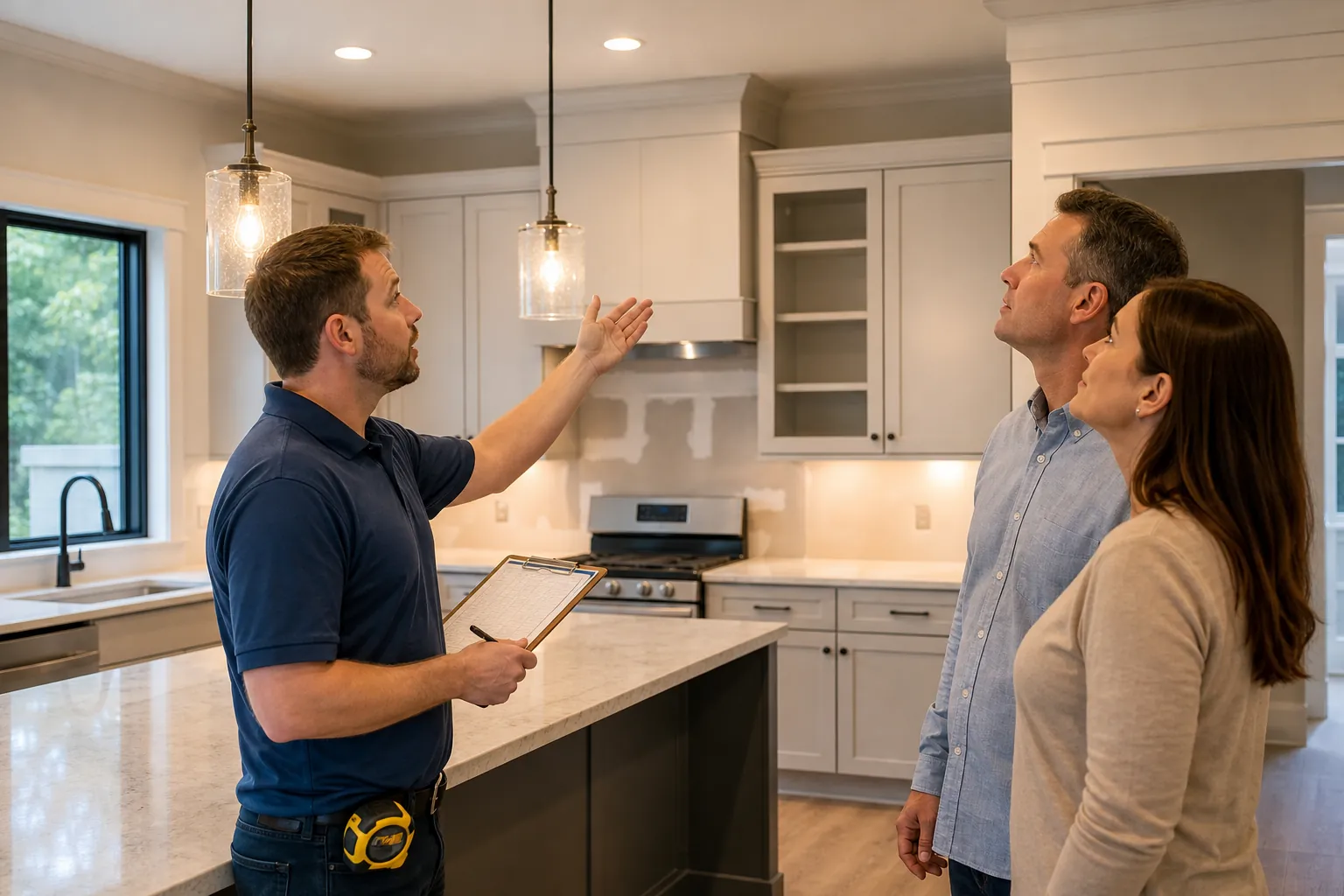
Punch list closeout remodeling is the final review and follow-up process for items that remain after the main work is done. It helps homeowners and the project team record concerns, agree on next steps, and check that listed work has been addressed. In Lancaster, keep the list tied to the written project scope.
What Does Punch List Closeout Remodeling Include?
Punch list closeout remodeling covers a final review of visible work and any open items that need follow-up. A useful list names each concern, its location, and the next step to discuss. For background, see how to compare remodeling estimates and questions for a bathroom remodel estimate.
A punch list is a record, not a guess about what a contract includes. The written agreement, approved changes, and project records help define which items belong on it. If a concern seems outside that scope, ask the project contact to explain how it will be handled.
Closeout can involve more than looking at paint or trim. It may include a review of agreed work, a check of items that were raised earlier, and a discussion of documents or care notes that apply to the project. The exact steps vary by project and agreement.
Use clear, neutral wording. “Cabinet door at the sink does not close” gives a more useful place and condition than “cabinet is bad.” Keep a copy of the list and note when each item was discussed or updated.
Separate observations from conclusions
Write what you can see or describe without guessing at the cause. A door that rubs is an observation; a claim about why it rubs may need review by the person responsible for the work.
If an item could affect safe use, stop using the affected area when needed and contact the appropriate project professional. Do not attempt a repair that could create more damage or risk.

How Should You Prepare for a Final Remodel Walkthrough?
Prepare by gathering the project scope, change records, and earlier notes before the walkthrough. Then inspect the areas included in the work and record clear examples. Use ways to review remodel changes for a planning prompt, and a guide to comparing remodeling estimates to revisit scope questions.
Choose a time when the relevant rooms are accessible and there is enough light to see the work. If an area is blocked or unfinished, note that fact instead of assuming it has passed review. Ask the project contact what areas and records will be covered.
Bring a written list or a simple note-taking tool. Group items by room so that the walk follows a clear path. Photos can help identify a location or condition, but they do not replace a clear written description or a conversation about the project scope.
Before the meeting, review prior messages and any change approvals. This can help distinguish a new concern from an item already discussed. If the project has several open decisions, mark which ones need an answer before the closeout discussion can move forward.
- Gather the contract, approved changes, and notes about earlier concerns.
- Walk through each area included in the agreed remodeling work.
- Record the location and visible condition of each open item.
- Ask who will review each item and how updates will be shared.
- Save a copy of the final list and any written replies.
A simple preparation sequence
Start with the written scope and approved changes. Add issues already reported, then inspect each included room. Keep questions about excluded work or later changes in a separate group.
Ask who should attend and what records may be useful. The project team can clarify its process. Requirements for permits or inspections depend on the project and the authorities involved, so confirm those details with the proper office.
What Should Go on a Remodeling Punch List?
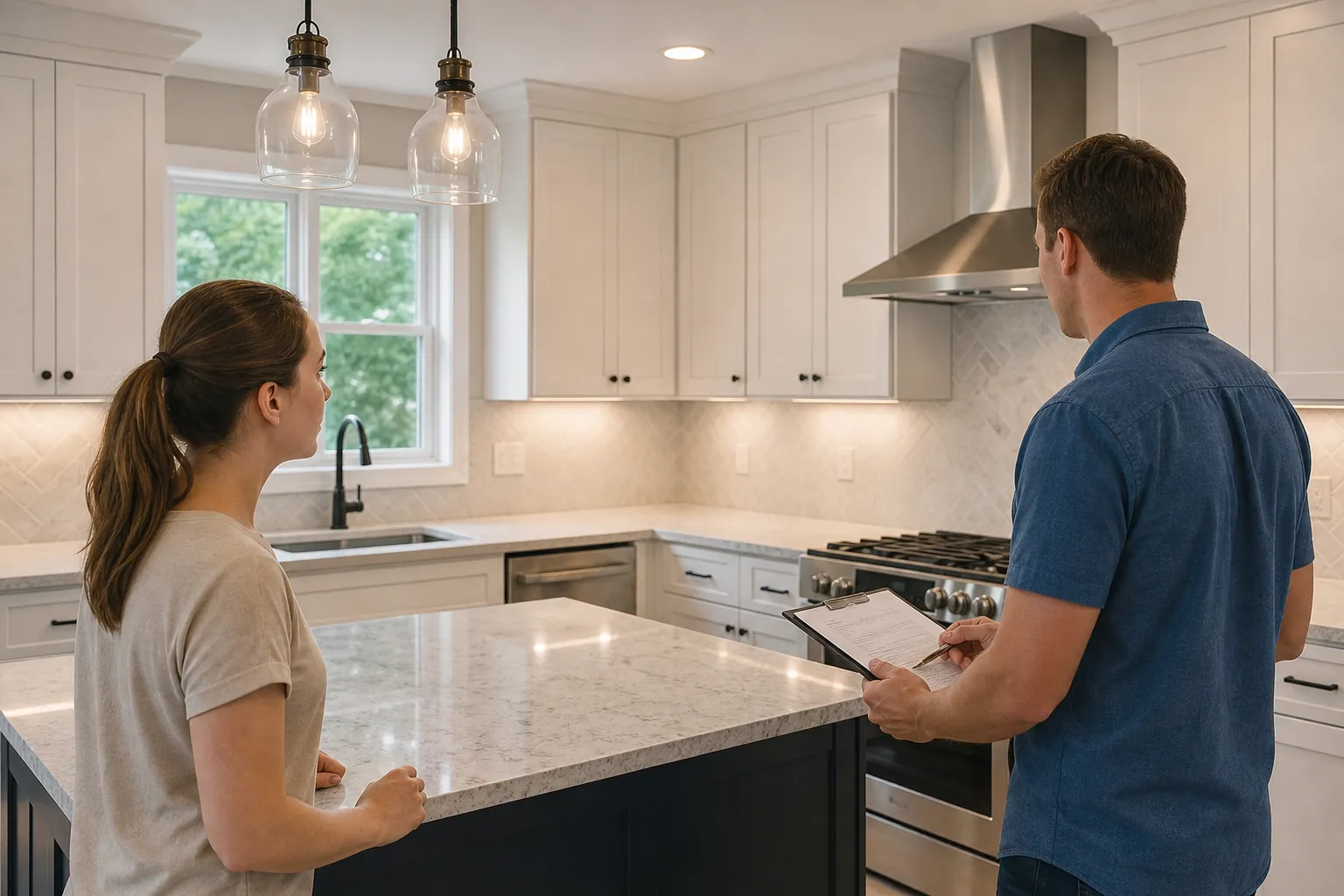
Include specific, observable items that relate to the agreed project work. Note the room, exact location, and what needs review, then add a photo or date when helpful. Compare questions with remodel material choices and revisit bathroom estimate details when scope is unclear.
A strong entry lets another person find the concern without guessing. Describe what happens, where it happens, and when you noticed it. If the item is hard to explain, show it during the walkthrough and write down the agreed description.
The list may cover finish details, operation of installed items, cleanup questions, or incomplete work, when those matters fall within the agreement. Do not treat the list as permission to add new work without discussing how that change affects scope and timing.
Keep unrelated concerns separate. For example, a new wish for a different fixture is different from a concern about an installed fixture that does not match the approved selection. Clear categories help the project team respond to each issue fairly.
- Name the room and the exact place where the item appears.
- Describe the visible condition or action that needs review.
- State whether the item was raised earlier or is newly noticed.
- Attach a photo only when it helps show the location or condition.
Use details that can be checked
“There is a gap at the left side of the trim beside the bedroom door” gives a clear location and condition. “Finish looks wrong” does not say where to look or what the concern is.
Avoid claims about hidden work that you cannot see. Ask what records or review steps apply instead. If a concern involves indoor conditions during remodeling, the U.S. EPA offers general information, but it does not assess a particular home or project.
How Do You Track Open Items After the Walkthrough?
Track each item with a short description, a person or team to follow up with, and a status agreed during discussion. Keep dated notes and ask how updates will be shared. bathroom remodeling planning tips and remodel estimate comparison guidance can help frame related scope questions.
A list is easier to use when each entry has its own place and status. A simple record can show whether an item is awaiting review, has a planned next step, or needs another discussion. Use labels the project team understands rather than inventing formal approval terms.
Do not assume that silence means an item is resolved. If the next step or timing is unclear, ask for clarification in writing. Keep messages focused on the item, the agreed scope, and the question that needs an answer.
When a concern is addressed, review it again if the project process calls for that check. Record what was done and whether the original concern remains. If it does, describe the remaining issue without changing the earlier entry in a way that loses the history.
Keep the record easy to follow
Use one line per issue, even when several items are in the same room. That makes it easier to discuss progress and reduces the chance that a small concern gets lost inside a broad note.
For complex or disputed items, refer to the relevant written scope or change record. Ask the project contact to explain any difference between the list and the agreed work. Do not rely on memory alone when the project has many decisions.
What If an Item Is Outside the Agreed Scope?
Pause before treating an added request as part of the punch list. Compare it with the written scope and approved changes, then ask what process applies if it is new work. See what to clarify in a remodel estimate and how remodel materials are chosen for related planning questions.
A final review can reveal a preference that was not part of the original plan. That does not make it a defect or an agreed repair. Describe the request openly and ask whether it needs a separate change discussion.
The same care applies when the written documents are unclear. Ask the project contact to identify the relevant scope item or explain the next step. Keep the reply with the project records so that both sides can refer to the same information later.
If the disagreement concerns contract terms, payment, or responsibility, consider getting advice from a suitable qualified professional. A general article cannot interpret a specific agreement or decide who is responsible for a particular condition.
- Mark the item as a question when its scope is uncertain.
- Find any related note, selection, or approved change in project records.
- Ask the project contact to explain the proposed next step.
- Save the written response with the other project documents.
Distinguish an open task from a new request
An open task is something the parties understand to remain from the agreed work. A new request changes the plan or adds work. The project documents and discussion help determine which category fits.
Ask what approval is needed before work changes. Confirm any effect on the written scope or schedule with the project team. Do not assume that a verbal conversation changed the agreement.
How Do Permits and Inspections Fit Into Closeout?
Punch list review and public permit or inspection steps are different processes. A homeowner should confirm project requirements with the responsible local authority and the project team. For local context, consult Charlotte remodel cost planning only for planning topics, and comparing remodeling project estimates for scope review.
Permit and inspection rules depend on the work and the authority with jurisdiction. Do not treat a punch list, a contractor discussion, or a completed walkthrough as proof that a required public review has occurred.
Mecklenburg County provides residential plan review information, while the City of Charlotte describes individual residential lot reviews. Those sources explain local processes in their stated areas; they do not approve a specific Lancaster project or establish what that project requires.
For a project in Lancaster, check with the relevant local authority about permits, inspections, and records. Ask the project team which steps it has handled and what documentation applies. Keep those answers separate from private finish and follow-up items.
Keep public review records with project files
If a permit or inspection applies, ask which records are relevant and how to obtain them. The answer can depend on the work and local process. Verify details with the authority responsible for the project location.
A public review does not settle every finish question between the homeowner and project team. Likewise, a punch list does not replace an inspection required by an authority. Treat each process according to its purpose.
When Is a Remodel Ready for Handoff?
Handoff is clearer when the parties have reviewed open items, recorded next steps, and exchanged the project information that applies. The exact closeout terms depend on the agreement. Use remodel changes to review and bathroom remodeling planning ideas to organize questions before handoff.
There is no single checklist that fits every remodeling project. Review the contract and ask which items must be complete, which records will be shared, and how any remaining work will be handled. Avoid assuming that one walkthrough settles every question.
Project information may include care notes, product details, or other records when they apply to the work and agreement. Ask which documents are available and who can answer later questions. Keep copies in a place you can find after the work area returns to normal use.
Before ending the closeout discussion, read through the list together if possible. Confirm that each entry has a clear status or next step. If an item remains disputed, record that accurately rather than marking it complete to make the list shorter.
For Lancaster homeowners, the useful goal is a shared record, not a perfect-looking form. Clear notes can help everyone understand what was reviewed, what remains open, and which questions need another answer.
Questions about next steps? Call CDG Carolinas at (704) 619-6293 or review services.
Frequently Asked Questions
Should I make a punch list before or during the walkthrough?
Make an initial list before the walkthrough, then add or clarify items as you review each area. Preparing ahead can help you remember earlier concerns and keep the meeting focused. Treat the list as a working record, and ask the project contact to confirm which items relate to the agreed scope.
Should every item have a photo?
No. A photo can help show an item's location or visible condition, but some concerns are easier to explain in person. Use a short written note for every item, and add a photo when it makes the description clearer. Avoid relying on an image alone to explain scope or responsibility.
Can I add a new upgrade to the punch list?
You can raise a new idea during closeout, but it may be outside the agreed work. Label it as a request or scope question rather than presenting it as unfinished work. Ask the project contact what approval or written change process applies before the plan is altered.
What should I do if an item is still open after the walkthrough?
Keep the item on the record and ask for a clear next step. Note who will follow up, what information is needed, and how the status will be shared. If the issue involves contract terms or a dispute, seek guidance from a qualified professional who can review the specific documents.
Does a punch list confirm that permits or inspections are complete?
No. A punch list is a project follow-up record, while permits and inspections are handled through the relevant public process. Ask the project team and local authority what applies to the work in Lancaster. Keep any public records separate from the private list of finish or scope items.
Sources
- Addressing Indoor Environmental Concerns During Remodeling, U.S. EPA
- Residential Plan Review, Mecklenburg County
- Individual Residential Lot Reviews, City of Charlotte
Call (704) 619-6293 to talk through next steps.