
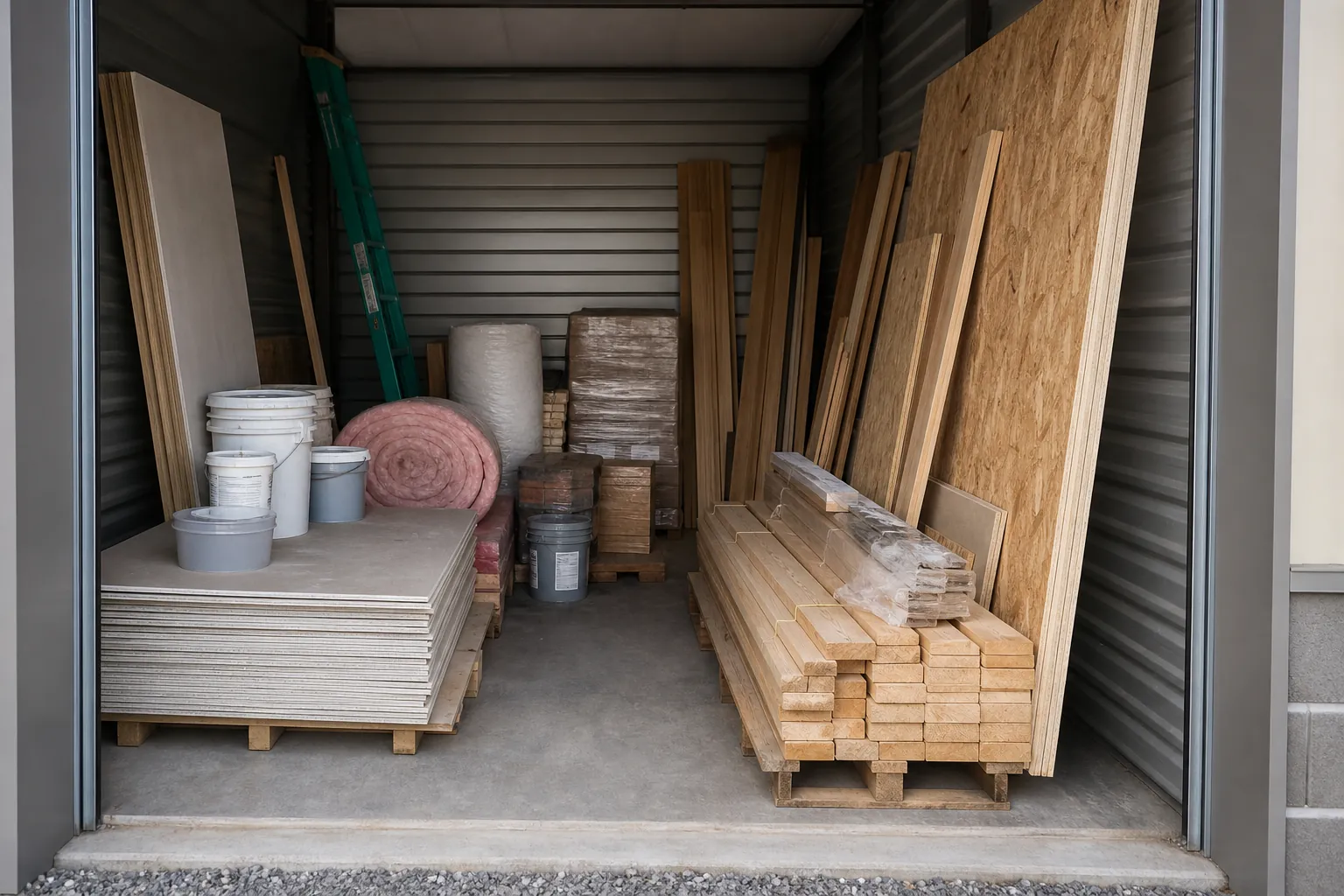
Good rental renovation material storage starts with a dry, secure space and clear access rules. For a Belmont rental, match storage to each product's label and delivery date. Then assign who receives, checks, moves, and tracks each load. Keep tenant needs and work routes separate from stored goods.
How should you plan rental remodel material storage?
Plan storage before placing orders, using the work scope and product needs. Mark where goods will arrive, sit, and move next. Use the guide to comparing remodeling estimates to define responsibilities, and the bathroom remodel estimate clarification guide to identify unclear handling terms. A named contact should manage each delivery.
Start with a room list and a rough work sequence. A rental with tenants needs a different plan from an empty unit. Record which rooms stay in use and which doors workers may use.
Next, list the goods that need storage before installation. Include their packed size, weight, and care instructions. A stack of cartons can take more space than the finished room suggests.
Separate planned arrivals from items already on site. This helps prevent double orders and crowded work areas. Review the list when selections or delivery dates change.
For a Belmont property, base the plan on actual site access. Check door widths, stairs, parking, and the route from unloading to storage. Don't assume a truck can reach the closest entrance.
A simple written plan can live with the estimate and order records. Share it with the property owner, tenants, and project contacts as needed. Keep private tenant details out of shared delivery notes.
- Record the storage needs stated on each product label or care sheet.
- Name the person who can accept and inspect each delivery.
- Mark work routes and tenant access areas on a simple sketch.
- Set a review date before any large or early shipment arrives.

Where can renovation materials be stored?
Choose storage by product needs, access, security, and the work sequence. An empty room, garage, or off-site space may serve different purposes. The guide to choosing remodel materials helps frame product choices, while the guide to comparing remodeling estimates helps you compare the storage duties included in each proposal.
An indoor room may suit goods that need stable conditions. Yet it can block work if that room needs renovation next. Ask how often stored items would need moving.
A garage may offer easy unloading, but its conditions can vary. Check for water entry, damp floors, heat, and limited door security. Use the product maker's instructions rather than treating every garage as suitable.
Off-site storage can free space at an occupied rental. It adds another trip and another handoff, though. Confirm access hours, handling terms, and who brings each load to the property.
Don't choose a spot from floor area alone. Packed goods need room for inspection and safe handling. Have the project team assess heavy loads and any need for specialist advice.
Compare the full handling plan before choosing a location. A cheap space may create extra trips or longer carries. A nearby space may still be unsuitable for moisture-sensitive goods.
| Storage choice | Main tradeoff | What to confirm |
|---|---|---|
| Empty indoor room | Uses space that may be needed for work | Product conditions and work sequence |
| Garage | Easy access may come with changing conditions | Moisture, temperature, and security |
| Off-site space | Frees the rental but adds handling | Access hours and transport duties |
| Staged deliveries | Reduces stock held at the property | Lead times and receiving plans |
How should deliveries fit the work schedule?
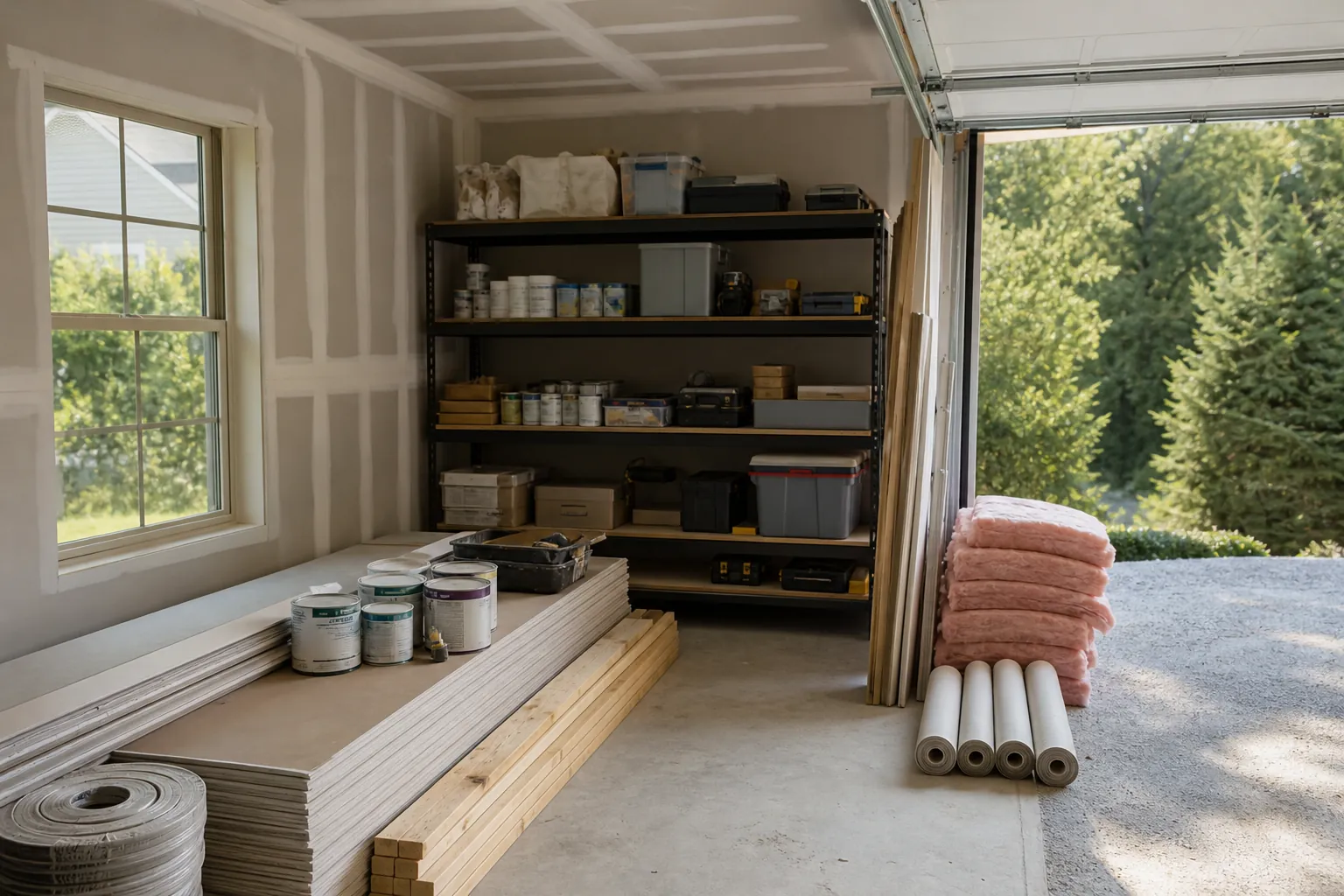
Schedule deliveries around when materials are needed and where they can wait. Leave time for checks without filling every open room. Use the bathroom remodel estimate clarification guide to discuss delivery duties, and the bathroom remodel cost planning guide to consider handling costs alongside the rest of the work.
Ask suppliers for current lead times before setting arrival dates. A quoted lead time is different from a confirmed delivery slot. Keep those two details separate in your records.
Early orders may help with long-lead items, but they create storage needs. Later deliveries reduce on-site stock, yet leave less time to fix errors. Discuss that tradeoff for each major order.
Confirm the delivery method before the truck arrives. A curbside drop is different from placement inside a room. Ask about unloading equipment, packed size, and who moves goods beyond the drop point.
Check return terms before accepting an early shipment. Some return periods start at purchase or delivery. Waiting until installation to open every box may leave little time to report a problem.
Weather or work changes may affect the receiving plan. Set a backup contact and a suitable alternate date. Never let a missed call become permission to leave goods anywhere.
- Confirm the order details and delivery method before setting the arrival date.
- Clear the agreed receiving area before the delivery vehicle reaches the property.
- Check counts and visible packaging damage while following the supplier's receiving process.
- Record concerns promptly and keep packing labels with the order file.
How do you protect tenant access during storage?
Keep storage outside the spaces tenants need for daily use and access. Agree on delivery entry, notice, and contact details before work starts. The guide to comparing remodeling estimates can help define site duties, while the bathroom remodel estimate clarification guide offers a framework for asking clear scope questions.
A tenant's hallway shouldn't become an overflow stockroom. Review the proposed storage area with the people managing the work. Ask a qualified authority about access or safety questions that affect the plan.
Set written boundaries for workers, drivers, and tenants. State which entrance deliveries use and which areas remain private. Don't rely on a driver knowing the layout from an earlier visit.
Agree on notice and entry procedures under the lease and applicable law. A property manager or qualified legal adviser can address those duties. A storage plan doesn't replace lawful notice or consent.
Consider daily needs beyond the room under renovation. Tenants may still need access to laundry, mail, bins, and parking. Keep delivery plans from quietly taking over those shared spaces.
Store small fittings in labeled containers within the agreed area. Loose screws, trim, and hardware are easy to scatter or misplace. Keep tools and work waste separate from new products.
Review the arrangement when work moves to another room. A space that worked last week may block the next task. Tell affected people about changes before moving goods into a new area.
What conditions do stored materials need?
Follow each manufacturer's storage instructions instead of using one rule for everything. Moisture, temperature, packaging, and stacking needs vary by product. Consult the guide to choosing remodel materials when comparing selections, and the bathroom remodel estimate clarification guide when deciding who checks conditions and reports concerns before installation begins.
Read labels before goods leave the receiving area. Some products need specific conditions or time in the installation space. Ask the installer to explain those steps using the maker's current instructions.
Keep boxes and labels linked to the right order. Batch details can matter when matching visible finishes. Don't mix loose pieces from separate orders without checking with the installer.
Inspect the storage area for leaks and signs of dampness. A room that looks dry during a visit may change after rain. Report any concern before placing new goods there.
The U.S. EPA's remodeling guidance addresses indoor environmental concerns during work. Use it as general context for dust and product planning. It isn't a site assessment or a storage instruction for a specific product.
Coatings, adhesives, and other labeled products may need special handling. Follow their labels and safety data sheets. Ask the supplier or a qualified professional when the instructions are unclear.
Keep materials apart from demolition debris and wet work where appropriate. Discuss barriers, cleanup, and ventilation with the project team. Don't assume sealed packaging resolves every dust or moisture concern.
If packaging becomes wet or damaged, pause before using the contents. Photograph the issue and contact the supplier or installer. Let the relevant product guidance shape the next step.
Which storage costs belong in the estimate?
Ask the estimate to name storage, delivery, and handling duties in plain language. Separate stated costs from items still needing confirmation. The guide to comparing remodeling estimates helps organize that review, and the bathroom remodel cost planning guide provides related context for discussing a rental bathroom project's wider cost scope.
A materials total may cover the goods without covering every move. Ask about unloading, stairs, repeat trips, and transfers from off-site storage. Compare the same duties across proposals.
Clarify who pays when the storage plan changes. An owner change differs from a supplier error or a revised work sequence. Ask how changes are documented before extra work proceeds.
Review storage rental terms if off-site space is being considered. Check access, minimum rental periods, transport, and any separate handling charges. Use written terms rather than a rough verbal allowance.
Ask an insurance professional about coverage for stored project goods. Ownership, location, and who holds the items may affect the answer. Don't assume a lease, contractor policy, or storage agreement covers every loss.
Plan review and site access can affect the schedule too. Mecklenburg County's Residential Plan Review resource concerns that county's process. It doesn't establish Belmont requirements; confirm the correct authority for the property.
Keep the estimate focused on agreed facts and open questions. Mark anything that depends on final selections or site checks. This makes later changes easier to trace without treating an early draft as final.
How should you track materials through project closeout?
Track each order from receipt through installation, return, or handover. Use simple labels and one shared record rather than scattered messages. The guide to choosing remodel materials can inform what product details to save, while the guide to comparing remodeling estimates helps frame who handles leftover goods and final cleanup.
Give each order a clear name tied to its intended room. Record the supplier, quantity received, and storage location. Update the record when goods move, rather than waiting until the end.
Keep photos of labels and any reported damage with the order file. Photos support a clear account of what arrived. They don't replace the supplier's required claim or return process.
Before removing unused goods, ask the installer what should remain. Some matching stock may be useful for later repairs. Balance that need against limited rental storage space and product shelf life.
Get the owner's direction on eligible returns and retained materials. Record any supplier limits and restocking terms. Keep return receipts with the project records so quantities remain clear.
At handover, show where retained items are stored. Leave product names, care details, and room labels together. Avoid leaving a tenant with unknown containers or a pile of unmarked parts.
- Match remaining goods to the order record before deciding what to keep.
- Label retained stock with its product name and intended room.
- Confirm who will arrange returns and remove unwanted packaging.
- Save care sheets and receipts with the property's renovation records.
Questions about next steps? Call CDG Carolinas at (704) 619-6293 or review services.
Which local review applies in Belmont, NC?
Gaston County’s Planning and Zoning page says its as-needed plat and site-plan reviews for Belmont begin through the municipality. Start with Belmont’s planning department and confirm which reviews apply to the proposed property and work. See the official local review resource.
Requirements can change. Confirm the current path for the property and proposed work with the responsible authority.
Frequently Asked Questions
Can tenants receive renovation deliveries for the owner?
Only use that arrangement after everyone agrees on the task and limits. Receiving a box shouldn't leave tenants guessing about inspection or damage reports. Confirm who signs, who checks quantities, and who contacts the supplier. Give tenants a clear way to decline an unexpected delivery without taking on project duties.
Should you open every carton as soon as it arrives?
Follow the supplier's inspection process and the product's packing instructions. Check visible damage and counts promptly, then ask how to inspect concealed goods. Some packaging helps protect items until installation. Keep labels and packing materials when needed for claims or returns, and note any deadline for reporting hidden damage.
Can materials stay in a parked vehicle overnight?
Don't treat a vehicle as suitable storage without checking product needs. Temperature, moisture, security, and safe loading all matter. Ask the supplier about the specific goods and arrange a suitable receiving space. If a delivery arrives too late, contact the responsible person rather than improvising an overnight location.
What if the rental has no spare storage room?
Consider smaller delivery batches or suitable off-site storage with the project team. Compare added trips, access limits, and handling costs before choosing. Don't shift goods into tenant areas by default. A revised order sequence may help, but supplier lead times and return terms still need checking before dates change.
Who owns leftover materials after the renovation?
Check the contract, purchase records, and any written agreement about surplus goods. Don't assume ownership from where items are stored. Ask the owner and contractor to resolve unclear terms before anything leaves the property. If a dispute remains, seek qualified legal guidance rather than treating a storage label as proof.
Sources
- Addressing Indoor Environmental Concerns During Remodeling, U.S. EPA
- Residential Plan Review, Mecklenburg County
Call (704) 619-6293 to talk through next steps.