
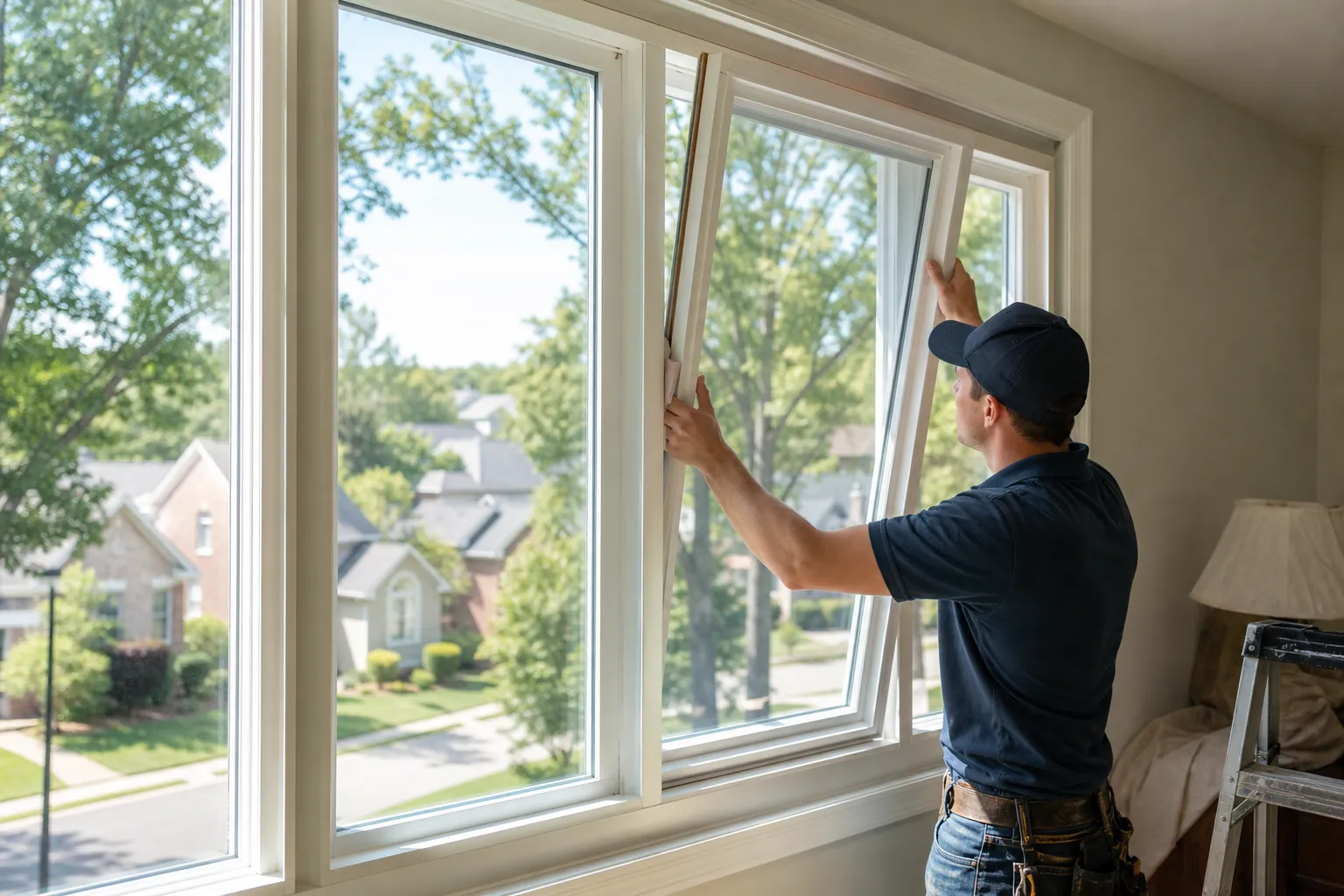
Window replacement may help reduce energy use, but results depend on your home, product choice, and installation. Start your window replacement energy review by checking drafts, glass condition, and frame damage. Then compare repair and replacement scopes before choosing a project based on promised bill savings.
How can window replacement affect energy use?
Replacement windows may improve comfort, but they cannot fix every source of heat loss or gain. Check the whole room before choosing a product. Use compare home remodeling estimates to review scope, and compare materials for home remodels to weigh product choices alongside the work needed around each opening.
A draft near a window deserves a closer look. The cause may involve the sash, frame, seals, or wall opening. Replacing glass alone won't address every possible cause. Ask the person assessing the window to explain what they found.
Energy use also reflects more than window condition. Room use, thermostat settings, shade, and other building features matter. A window project should address a clear problem. Avoid treating a new unit as proof that bills will fall.
Set separate goals for comfort, upkeep, appearance, and energy use. You may value easier operation even without a clear payback. A bedroom that feels drafty presents a different need from a dining room with worn trim.
For a Fort Mill home, ask how the proposed window suits each room. Have the installer explain the product label in plain terms. Request a reason for the glass choice and installation method. Keep those answers with the written estimate.
Treat savings claims as estimates, not measured results for your home. Ask what assumptions support them. A useful explanation should identify the current condition and proposed change. A broad claim without those details offers little help.
What should you check before replacing a window?
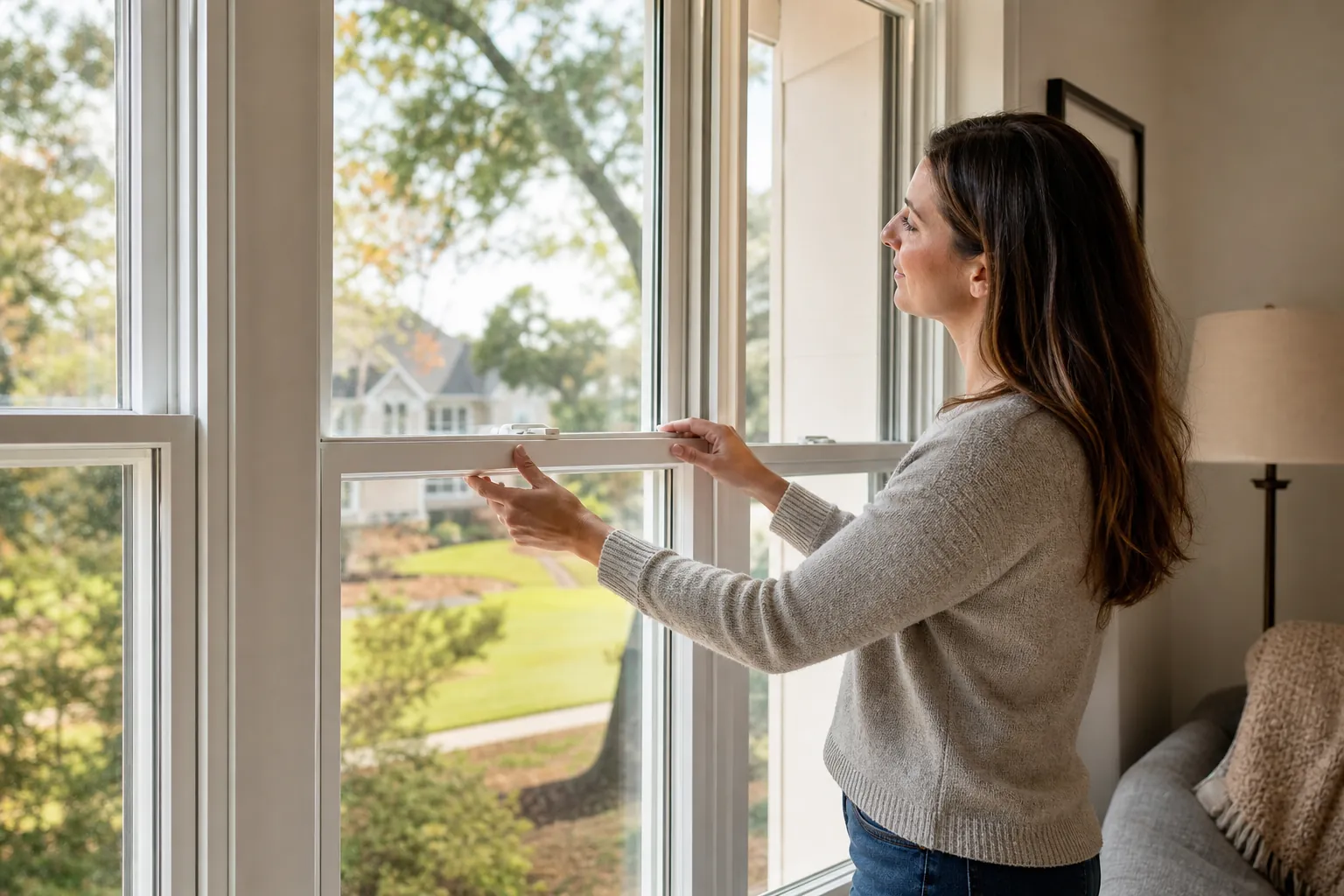
Start with a room-by-room record of the problems you notice. Photos and short notes help keep estimates focused on the same work. The planning approach in compare home remodeling estimates can support that review, while review before and after remodels helps you think through visible changes.
Record what happens and when it happens. Note drafts, sticking sashes, fog between panes, stains, and peeling finishes. These signs do not share one cause. Ask for an assessment rather than naming the repair yourself.
Keep indoor moisture on the list of questions. Water on room-side glass differs from fog between panes. Don't assume either condition proves a whole window needs replacement. A qualified professional can help identify the next step.
Use a short checklist during the visit. It helps prevent a good-looking sample from taking over the discussion.
- Describe the problem at each window without guessing its cause.
- Photograph stains, damaged finishes, and nearby trim before the estimate visit.
- Ask which parts can remain and which parts need removal.
- Request a clear explanation of any further inspection before ordering.
Which window choices should you compare?
Compare the whole proposed window, rather than choosing by frame name alone. Glass, size, operation, finish, and installation scope all deserve review. Use compare materials for home remodels for a broader materials discussion, then use compare home remodeling estimates to check that each quote names the same choices.
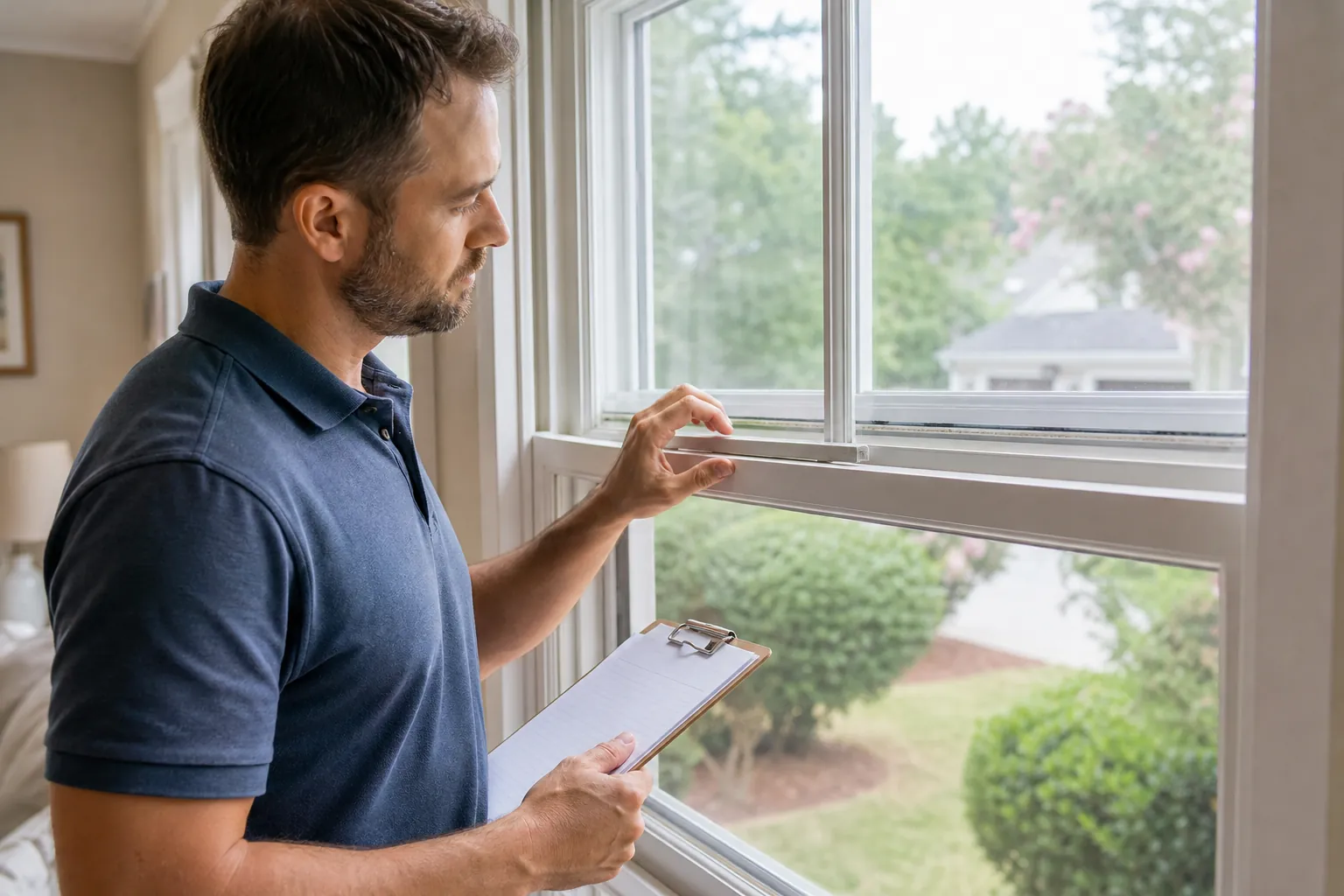
Start with how you use the room. Think about opening the window, cleaning it, and reaching locks. Ask to see how the proposed style works. Confirm that its operation fits the space, furniture layout, and daily use.
Next, review the glass and frame as one product. Ask for the maker, product line, glass package, and finish. Product names can sound similar while the details differ. A written product list helps you compare like with like.
If the estimate lists energy ratings, ask what each rating means. Have the supplier explain why that combination fits the project. Avoid choosing from one number without context. Keep the product sheet so you can check the final order.
Appearance needs the same care as performance details. Ask how frame width may change the view through the opening. Discuss interior trim, exterior finish, screens, and hardware. Confirm which choices are included before signing off.
Samples can help narrow color and finish choices. They cannot show the full result in your wall. Ask for drawings or written details where the fit is unclear. Make sure the order reflects your selections for each opening.
Why does the installation scope matter?
The installation scope explains what gets removed, repaired, sealed, and finished. It matters as much as the product description when comparing bids. Pair compare home remodeling estimates with review before and after remodels to separate the visible result from work that may be hidden once the project ends.
A replacement unit may fit within an existing frame. Another approach may involve removing the frame and surrounding materials. These are different scopes, even with similar-looking windows. Ask why the proposed method suits the condition found.
Discuss what happens if removal reveals damaged materials. The quote should explain how added work gets documented and approved. Ask who will review the issue before work continues. Don't assume hidden repairs are included in a base price.
The U.S. EPA's remodeling guidance addresses indoor environmental concerns during work. Use that general guidance to discuss dust, room separation, and cleanup. It is not a project-specific assessment. Ask the contractor how the work area will be managed.
Before work starts, walk through the scope with the contractor. These questions help connect the estimate to the finished room.
- Confirm which frames, trim pieces, and wall finishes will be removed.
- Ask how the crew will protect nearby floors and furnishings.
- Identify who handles trim repair, painting, and final debris removal.
- Set a written process for reviewing damage found during removal.
How should you compare window replacement costs?
Compare costs only after you align the proposed work. A lower bid may cover fewer openings, simpler finishes, or less repair work. Use compare home remodeling estimates to review those differences, and compare materials for home remodels to check how product selections change the scope.
Request an opening-by-opening schedule rather than one broad description. Each line should identify the room, window, and proposed work. This makes missing items easier to spot. It also helps when you choose to phase the project.
Ask which costs are firm and which remain allowances. An allowance is an amount set aside for a stated item. Its limits should be clear in the quote. Ask how the total changes when the final choice differs.
Use this table as a discussion guide, not a diagnosis. The right scope depends on an inspection and the home's condition.
| Possible scope | Main question | Estimate detail |
|---|---|---|
| Targeted repair | Can the existing unit remain? | Parts and labor included |
| Replacement within a frame | Is the retained frame suitable? | Removal and finish limits |
| Full-frame replacement | What surrounding work is needed? | Trim, wall, and repair scope |
| Work in phases | Which openings come first? | Scope for each phase |
What can affect timing and project preparation?
Timing depends on decisions, product ordering, site conditions, and the work scope. Ask for project stages instead of relying on one broad completion date. Use compare home remodeling estimates to clarify responsibilities, and review before and after remodels to plan for changes to trim, walls, and room use.
Separate the planning stage from the installation stage. Measurements, selections, ordering, and any required review come first. Ask which steps must finish before an order is placed. Confirm who checks dimensions and approves the final product list.
The installer should explain access needs before work begins. Ask about furniture, window coverings, pets, and room use. Get a plan for securing openings during the work. Confirm whom to contact if the daily plan changes.
For a Fort Mill project, confirm requirements with the authority responsible for the property. Ask whether the proposed work needs review or a permit. Do not rely on rules from a nearby city. Property location and project details matter.
Mecklenburg County's Residential Plan Review page concerns that jurisdiction's process. It does not establish requirements for a Fort Mill home. Use the source only within that limit. Ask the proper local authority about your exact address and scope.
Finish work may need its own place in the schedule. Trim repair, painting, and cleanup may involve separate visits. Ask who owns each task and when rooms can return to normal use. Keep those details in the project plan.
How can you judge value without overstating savings?
Judge value through a mix of documented needs, clear scope, and realistic goals. Energy bills alone may not show what one change achieved. Use compare home remodeling estimates to weigh the full work, and compare materials for home remodels to check upkeep and finish choices before deciding.
Keep a simple record of the problems you want solved. Then connect each proposed task to one of those problems. If the link is unclear, ask another question. A clear scope helps you avoid paying for changes you don't value.
After installation, review operation and finish with the contractor. Ask how to use locks, screens, and cleaning features. Get written care instructions for the selected product. Keep the order details and project records together.
You can track bills without treating them as a controlled test. Weather, household use, and rate changes can affect the total. Compare similar periods and note major changes. Treat the pattern as context, rather than proof of one cause.
Before you decide, summarize the project in a few plain sentences. These steps help keep the choice tied to your needs.
- Rank the window problems that most affect your daily use.
- Compare written scopes that address the same openings and finishes.
- Confirm product details and resolve unclear items before approving the order.
- Keep care instructions and project records for later reference.
Questions about next steps? Call CDG Carolinas at (704) 619-6293 or review services.
Which local review applies in Fort Mill, SC?
Fort Mill’s Building and Codes Department identifies building plan reviews and building inspections among its services. Confirm whether the property falls within the Town and which reviews apply to the proposed remodeling scope. See the official local review resource.
Requirements can change. Confirm the current path for the property and proposed work with the responsible authority.
Frequently Asked Questions
Should I replace every window at the same time?
You can ask for a phased plan instead of one whole-home scope. Start by comparing the condition and needs of each opening. Ask how separate phases could affect product matching, setup work, and room disruption. A phased plan should name the work included now and leave later work clearly separate.
Will new windows make a noisy room quieter?
Don't assume an energy-focused product will meet a sound-control goal. Tell the supplier what noise bothers you and which rooms matter. Ask for product information that addresses that concern. Noise may involve other parts of the room, so request an assessment before choosing windows mainly for sound.
Can I keep my existing blinds and curtains?
That depends on the new window, trim, and mounting space. Show the estimator the coverings you want to keep. Ask whether the proposed frame or trim changes their fit. Include removal and reinstallation in the scope if needed. Don't wait until installation day to resolve brackets or clearances.
What paperwork should I keep after the project?
Keep the signed scope, approved changes, product list, and final invoice. Save care instructions and any written warranty terms supplied with the products. Ask whom to contact about product issues versus installation concerns. These records can help identify the exact window and work completed if questions arise later.
What should I ask about rebates or tax credits?
Ask for the exact product details before checking any incentive. Programs, eligibility rules, and deadlines can change. Verify current terms with the program administrator or official tax guidance. A qualified tax professional can address your circumstances. Don't build a project budget around an incentive that hasn't been confirmed.
Sources
- Addressing Indoor Environmental Concerns During Remodeling, U.S. EPA
- Residential Plan Review, Mecklenburg County
Call (704) 619-6293 to talk through next steps.