
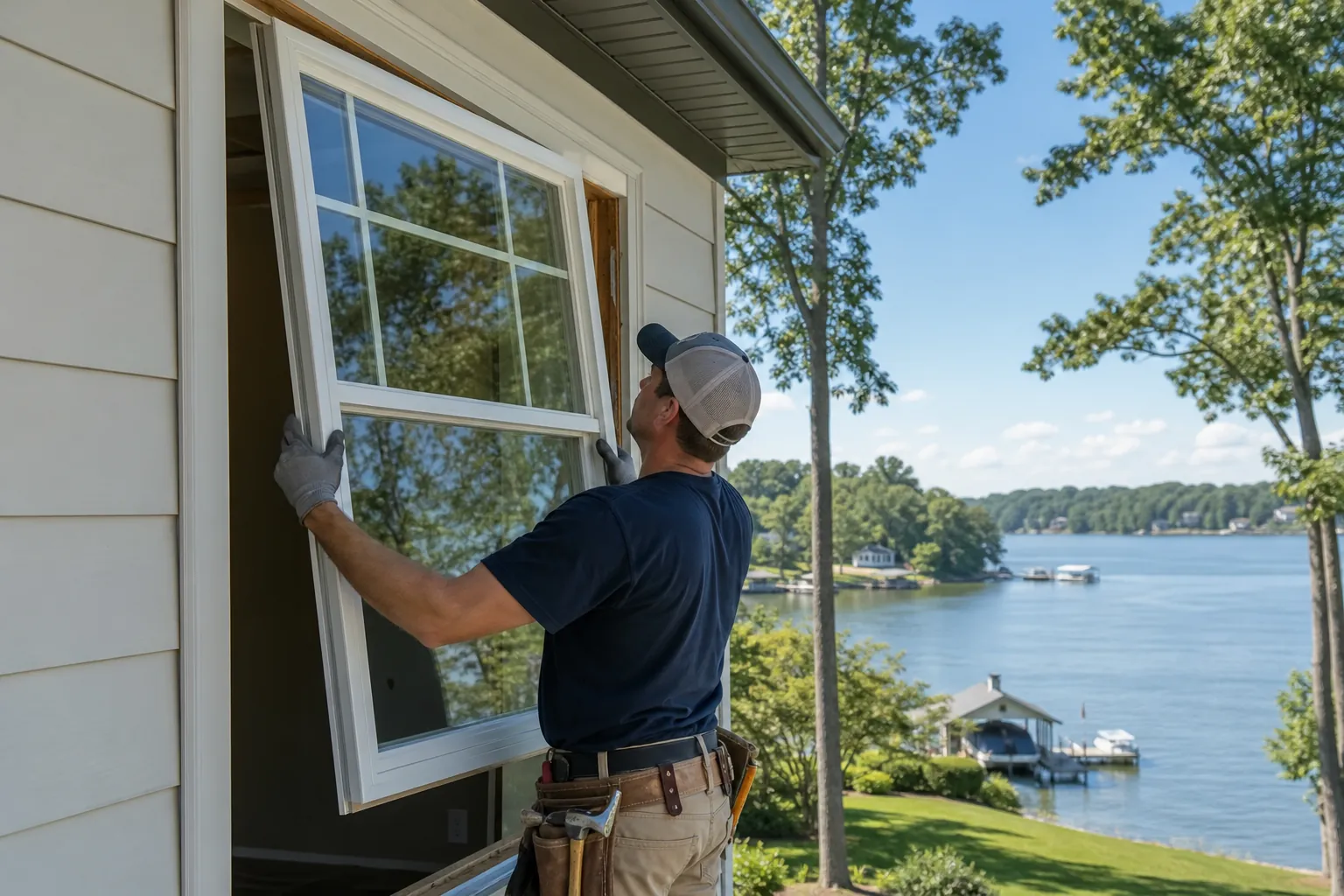
Window replacement energy choices can affect heat flow, daylight, comfort, and how a room feels. Start by noting what is wrong with the current windows, then compare glass, frame, fit, and installation plans. In Lake Norman, consider the whole room and home, and ask qualified local pros about project needs.
How Does Window Replacement Energy Affect Comfort?
Window replacement energy planning starts with the room, not a product label. Glass, frame, fit, and the home's other features can shape comfort and light. To organize the wider project, review home remodeling estimate comparisons and questions for a remodel estimate. These resources address planning, not specific window products.
A room can feel too warm, too cold, or bright at the wrong time. Those signs can have more than one cause. Air movement, shading, room use, and the condition of the window all matter.
Energy use also depends on more than windows. Heating and cooling systems, insulation, air leaks, and daily habits can affect how a home feels. A window change may be one part of a larger plan, but it does not fix every source of discomfort.
Before choosing a product, write down where and when the problem occurs. Note which rooms feel different and how sunlight moves through them. This record can help a qualified professional discuss possible causes without assuming the window is the only issue.
Think about the result you want in plain terms. You may want less glare, steadier comfort, easier use, or a different view. Clear goals help keep product discussions tied to real needs instead of broad claims.
Separate window concerns from other home issues
A draft near a window may come from a gap, but it can also come from another part of the room. Condensation can have several causes, too. Ask a qualified professional to inspect the conditions before deciding what work is needed.
The U.S. EPA offers general indoor environment considerations during remodeling. Its guidance is not a project-specific assessment. If a project could disturb materials or change indoor conditions, ask the right qualified parties about safe steps.

Which Window Features Should You Compare?
Compare features that match the problem you want to solve. Glass, frame, size, operation, and fit can each affect a window's role in the home. Use remodeling estimate comparison guidance to frame project questions, and remodel material selection ideas for broader material planning, not product ratings.
Product terms can sound alike, yet describe different parts of a window. Ask what each term means for the exact model under discussion. Request written details so you can compare like with like.
Glass options may differ in how they pass light and heat. Frame materials also have different care needs and physical traits. A choice should fit the opening, room, style, and upkeep preferences.
Operation matters in daily use. A window that opens may support fresh air, while a fixed unit does not open. The best fit depends on the room, use, and other needs. Ask about cleaning access and how each unit will work after installation.
The features below are prompts for a conversation. They are not a ranking, and they do not establish that one option suits every home.
- Ask what glass features are included and what each one is meant to do.
- Compare frame material, care needs, and fit for the existing opening.
- Check how each window opens, closes, locks, and allows cleaning access.
- Request written product details for each option under review.
Read product information with care
Ask for the complete product details, not a broad claim about energy savings. Compare the same types of information across products. If a term is unclear, ask the seller or installer to explain it in writing.
A label or rating can help describe a product, but it cannot account for every part of a home's performance. The opening, installation work, room layout, and home systems also matter. Avoid treating a single number as a promise about bills or comfort.

How Can You Tell If Replacement Is the Right Step?
Replacement may be worth exploring when windows are damaged, hard to use, or part of a room that stays uncomfortable. First confirm the cause and scope. For project planning, see home remodel estimate comparison steps and remodel estimate clarification questions. Neither resource determines what a specific window needs.
A window that sticks or will not close may need attention, but the cause can vary. A repair, adjustment, or replacement could be discussed after inspection. Do not assume a full change is the only path.
Look at each opening and record visible issues. Note broken parts, gaps, water signs, or trouble opening and closing. Photos can help you explain what you see, but they do not replace an on-site review.
Consider the age and condition of nearby finishes, too. Work around an opening may affect trim, paint, or other materials. Ask what the proposed scope includes and which items are outside it.
If the home has older materials or signs of moisture, raise that before work begins. The EPA's remodeling guidance covers general indoor environmental concerns. It does not inspect a home or decide what a specific project requires.
Make a room-by-room condition list
A simple list helps keep the first discussion focused. Include the room, the issue, when it appears, and any changes you have noticed. Separate facts you observed from guesses about the cause.
Ask the professional to explain the choices for each opening. If the scope varies by room, request that the plan show those differences. A clear scope makes it easier to compare bids and avoid mismatched assumptions.
What Should You Ask Before Comparing Window Plans?
Ask each provider to describe the same openings, products, and work steps. A shared scope helps reveal what differs between plans. Use home remodeling estimate comparison guidance and bathroom remodel cost planning as broad estimate-reading resources, while asking window-specific questions for this project.
An estimate is useful only when its scope is clear. Check whether it names each opening, product, removal work, finish work, and cleanup. If an item is missing, ask whether it is included or excluded.
Do not compare totals alone. Two plans may cover different products or tasks. Ask about assumptions, changes that could affect the work, and how those changes would be discussed before proceeding.
Ask who is responsible for each part of the work and what the schedule depends on. Do not assume a start date or finish date from an early conversation. Confirm any timing details directly and in writing.
Project requirements can depend on the home and jurisdiction. Mecklenburg County provides residential plan review information, but a homeowner should confirm which local rules and reviews apply. That county page does not approve a particular project.
- List each opening and describe the concern or goal for that room.
- Ask each provider to state the product and work scope in writing.
- Compare included tasks, excluded tasks, and assumptions side by side.
- Confirm how questions or scope changes will be handled before work starts.
Keep the comparison fair
Use one written list of openings and goals when requesting plans. Share the same information with each provider. This reduces the chance that one plan covers a different job.
Ask for changes and exclusions to be shown clearly. If one plan includes work another omits, note that difference before making a choice. Get unclear points resolved before signing or scheduling.
How Should You Prepare Your Home and Project?
Good preparation starts with clear goals, access, and a written scope. Decide which rooms matter most and gather basic product and home information. For wider planning, review remodel estimate comparison advice and remodel planning examples. Examples can prompt questions, but they cannot predict your project's result.
Before meetings, decide how the room is used and what matters most. Think about daylight, privacy, noise, cleaning, and ease of opening. Rank these needs so tradeoffs are easier to discuss.
Gather any available records about prior window work or repairs. Note known water issues or changes to the opening. Share only what you know, and mark uncertain details as uncertain.
Ask what needs to be moved or protected before work. Confirm who will handle furniture, window coverings, and access. Do not assume a provider will move or store household items unless the written scope says so.
If more than one part of the home may be affected, ask how the work will be staged. The plan should explain which areas need access and when. Confirm any indoor air or material concerns with qualified parties.
- Write down the rooms, openings, and main concerns before a project meeting.
- Gather records about past repairs and note details you are unsure about.
- Ask what furniture, coverings, and pathways need to be cleared.
- Confirm how the work area and nearby rooms will be handled.
What Local Checks Matter in Lake Norman, NC?
Lake Norman is the place named in this topic, but local rules depend on the property and work. Confirm the proper jurisdiction and ask which reviews may apply. See remodel estimate comparison steps and Lake Wylie remodeling tips for general planning context, not Lake Norman-specific approvals.
A place name alone does not identify the authority for a home's project. Confirm the property's jurisdiction and ask the appropriate local office about current requirements. Do this before relying on a general article or estimate.
Mecklenburg County's residential plan review information describes county review context. It does not establish that every Lake Norman property falls under that process. The City of Charlotte also has a lot review process for individual residential lots, but that page is not a permit or approval.
Ask a qualified local professional which rules, reviews, or permits may apply to the exact work. Requirements can depend on location and project details. Check directly with the relevant authority when a decision depends on current rules.
Keep written notes of what you learn and who gave the information. If a project includes changes beyond window work, make sure each part is considered. Avoid assuming that one review covers every part of a broader remodel.
How Can You Make a Clear Final Choice?
Choose by matching the written scope and product details to your priorities. Check that the plan addresses the rooms and concerns you raised. Use remodel estimate comparison guidance and questions to clarify a remodel estimate to spot gaps, then resolve them with the provider.
A sound choice is easier when the information is complete. Review product details, work steps, exclusions, and any stated assumptions. Ask for plain explanations where the wording is unclear.
Think about daily use as well as energy goals. A product may have features that matter less to your home, while other needs may be more important. The right balance depends on the house and the people who use it.
Avoid choosing from a broad claim alone. Ask how the proposed option fits the specific opening and what parts of the result depend on other home conditions. No product description can establish a certain change in comfort or energy bills for every home.
Before you agree to the work, make sure all key points appear in the documents. Confirm the product, scope, responsibilities, and process for questions. Keep copies of the final plan and related communications.
Use a short decision check
Take time to review any open questions. Ask for revisions if the written scope does not match what you discussed. A clear plan supports a more useful comparison and reduces confusion later.
If the decision involves building rules or indoor safety, ask the proper authority or a qualified professional. General online information cannot decide those issues for a specific home.
Questions about next steps? Call CDG Carolinas at (704) 619-6293 or review services.
Frequently Asked Questions
Can new windows lower energy bills?
They may affect energy use, but no specific bill change can be assumed. Results depend on the product, fit, installation, home condition, weather, and how heating and cooling systems are used. Ask a qualified professional to discuss the proposed work and the limits of any estimate. Compare product details rather than relying on a broad savings claim.
Should I replace every window at once?
Not always. The right scope depends on window condition, room needs, the home's plans, and project priorities. Ask for options that show which openings are included and what each plan leaves out. A qualified professional can explain how different scopes may affect the work, while local authorities can answer questions about applicable rules.
What does a window energy label tell me?
A product label can provide information about listed features or performance measures. It does not account for every condition in your home or promise a certain bill or comfort change. Ask what each measure means, compare the same details across products, and confirm that the product fits the opening and goals.
Can I keep my existing window frames?
That depends on the frame's condition, the proposed product, and the work method. Ask a qualified professional to inspect the opening and explain which parts would remain or change. Request that the answer and any related finish work appear in the written scope. Do not assume a frame can be reused based only on appearance.
Do window projects need local review in Lake Norman?
Requirements depend on the property's jurisdiction and the work being done. Confirm the location's governing authority and ask what current review or permit steps may apply. County or city information pages explain their own processes, but they do not approve a particular home project. Check with the relevant authority before relying on assumptions.
Sources
- Addressing Indoor Environmental Concerns During Remodeling, U.S. EPA
- Residential Plan Review, Mecklenburg County
- Individual Residential Lot Reviews, City of Charlotte
Call (704) 619-6293 to talk through next steps.