

Replacing every window at once is not always the clearest or most practical choice for an older Charlotte home. A better starting point is to rank windows by condition, safety, comfort, and the role each room plays in daily life. The steps below can help you decide what needs attention first and what may be able to wait.
Begin With Windows Showing Active Damage
Start by looking for conditions that could allow a small window problem to affect nearby materials. Check each opening from inside and, where safely accessible, outside. Pay attention to soft or visibly deteriorated wood, peeling finishes, staining, cracked glass, loose components, and gaps around the frame. A window that is difficult to close fully may also deserve early attention if it cannot keep out rain or outdoor air.
Do not rank a window solely by how old it looks. Cosmetic wear may be less urgent than damage hidden at a sill, corner, or surrounding trim. After rain, inspect for dampness or new staining. If moisture appears, document where it starts rather than assuming the glass or window unit is the only cause. Water can enter through nearby joints or exterior details.
Photograph each concern and note whether it is stable or changing. Windows with active leakage, advanced deterioration, broken glass, or loose parts generally belong near the top of the list because delay may complicate the surrounding work.

Put Safety and Reliable Operation Near the Top
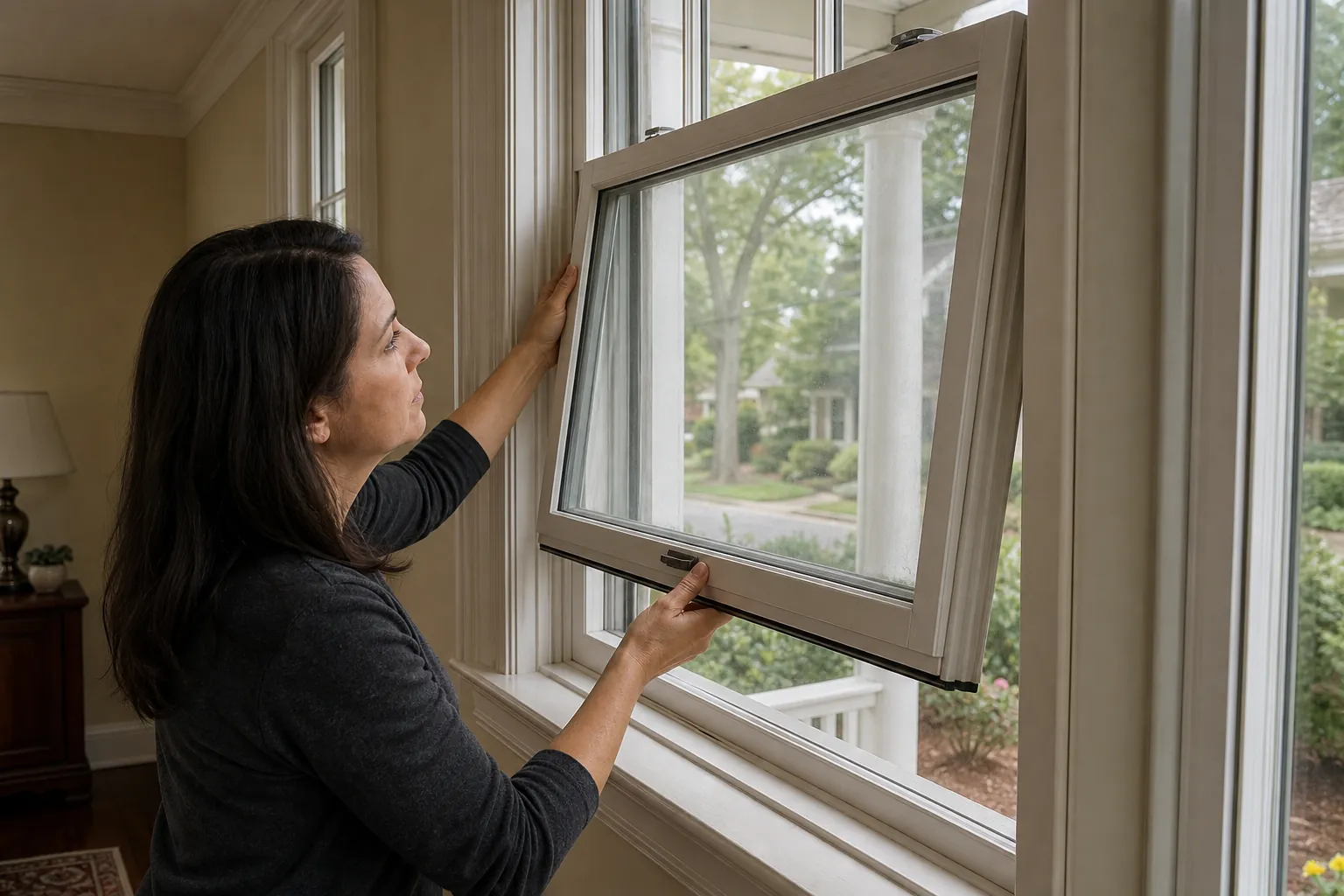
Next, test whether each window performs its basic functions. Open and close it without forcing the sash. Confirm that it stays in the intended position and that the lock engages properly. Broken glass, unstable moving parts, and windows that unexpectedly fall or bind should be evaluated before windows that are merely dated or unattractive.
Room use matters when assigning priority. A malfunctioning window in a frequently occupied bedroom, living area, or other regularly used space may create more immediate concern than a similar window in a seldom-used room. Consider who uses the room and whether children, older adults, or guests could encounter a difficult or unstable unit.
Keep the assessment practical. Do not paint over stuck components, force damaged hardware, or treat a temporary latch as a permanent solution. Record which windows open, close, lock, or remain stable. This simple inventory helps distinguish operational concerns from appearance preferences and gives you a clearer basis for discussing the sequence of work.
Compare Comfort Problems Room by Room
After addressing damage and safety, evaluate comfort. Walk through the home on a windy, hot, or cold day and note where conditions differ most. Look for noticeable air movement around the opening, rooms that are consistently uncomfortable, or areas where curtains move even though the window is closed. Also note whether direct sunlight or the room's orientation appears to contribute to discomfort.
A useful room-by-room review includes:
- Visible damage, staining, or deterioration around the opening
- Broken glass, loose parts, or unreliable locks
- Difficulty opening, closing, or keeping the window stable
- Noticeable air movement when the window is shut
- Condensation location and when it appears
- How often the room is occupied
- Whether other planned work could affect the window area
Avoid making the decision from one symptom alone. For example, condensation can occur on different surfaces for different reasons, so its exact location matters. Rank repeated, well-documented comfort problems above isolated impressions. This makes the priority list easier to explain and less likely to be driven by whichever room you visited most recently.
Coordinate Windows With Other Planned Projects
Project timing can change the best order. If a room will soon receive wall, trim, siding-adjacent, or interior finish work, determine whether replacing the window first would prevent duplicated effort. Conversely, if another project could alter the opening or nearby finishes, it may be sensible to settle that scope before finalizing window decisions.
Bathrooms deserve special coordination because windows can interact with privacy, ventilation decisions, wall finishes, and the layout around tubs or showers. If that room is part of a broader plan, review bathroom remodel allowance planning in Charlotte before assigning the window budget. The purpose is not to bundle unrelated work automatically. It is to identify dependencies early enough to avoid removing fresh trim, disturbing completed finishes, or paying twice for overlapping preparation.
Create one timeline for the house rather than separate wish lists for each room. Mark projects that touch the same walls, openings, or finishes. A moderately worn window may move higher in priority if replacing it later would disrupt work already scheduled nearby.
Build a Phased Priority List Before Requesting Work
Convert your observations into three groups. The first group should contain windows with active damage, broken glass, unstable components, or serious operational problems. The second can include units causing repeated comfort issues in frequently used rooms. The third can cover cosmetic preferences and windows that remain functional while showing ordinary age. This structure helps separate needs from preferences without dismissing either.
For each window, record the room, approximate location, symptoms, photographs, and relevant project timing. Note whether the issue occurs during rain, wind, temperature changes, or normal operation. Avoid choosing products or setting a sequence before the existing conditions are understood. The opening, surrounding materials, and desired interior or exterior finish may influence the scope.
If funds require phases, complete one coherent group at a time rather than selecting windows randomly. Revisit lower-priority units periodically because conditions can change. Before making a final decision, ask what work is included, what nearby finishes may be disturbed, and how the proposed order accounts for documented damage and other projects.
Discuss Your Window Priorities
For a calm conversation about priorities in your older Charlotte home, call CDG Carolinas at (704) 619-6293. Have your room list, photographs, and notes ready so the discussion can stay focused on the conditions you have observed.
Call (704) 619-6293 to talk through next steps.