
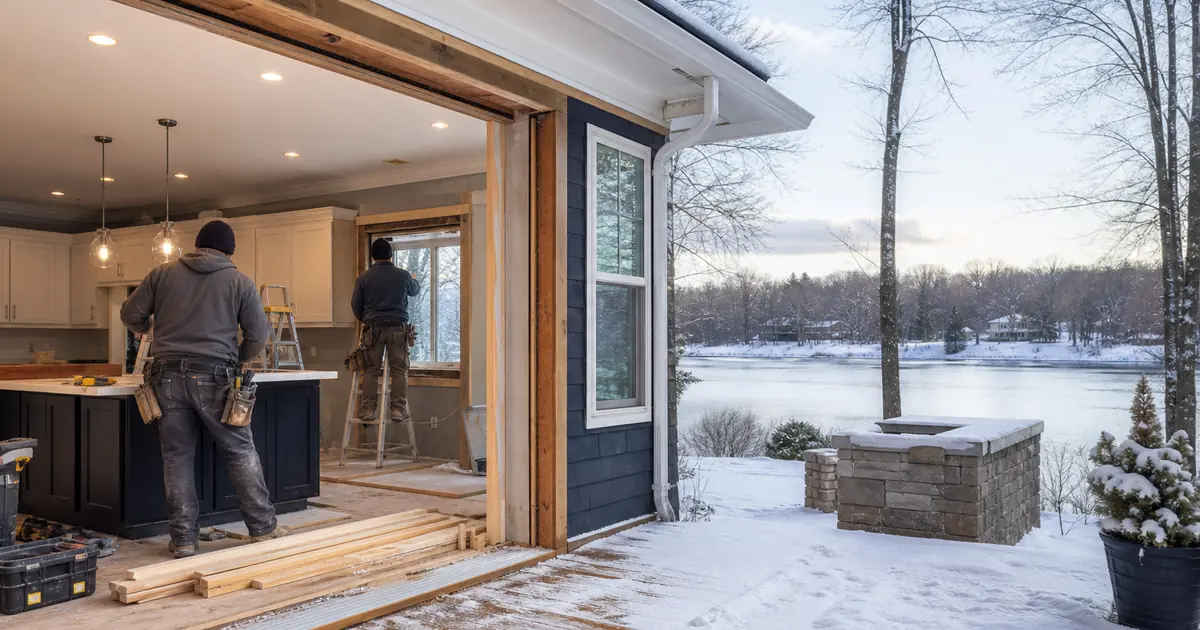
Winter home remodeling starts with clear goals and a plan for daily life at home. List the rooms and changes that matter most, then discuss scope, disruptions, and local review needs with the right people. Use winter remodel planning guide and questions to ask before work to prepare.
What Does Winter Remodel Planning Involve in Belmont?
Winter remodel planning means setting the project scope, home-use needs, and key decisions before work starts. Belmont homeowners can begin by naming the change they want and what daily routines must keep working. Review the winter planning guide and early project questions( early project questions ) before setting a schedule.
Start with the reason for the project. A room may feel hard to use, a layout may no longer fit, or several repairs may need attention. Write down what you want to change and what should stay the same.
Next, separate essential needs from nice-to-have ideas. This makes it easier to compare choices if the plan needs to change. It also gives everyone a clear way to discuss tradeoffs without adding new goals at each meeting.
A useful first step is to make a short project brief. Keep it focused on your household, not on a specific building method. Share it with any qualified people you consult, and ask them to explain what needs more review.
- Write down the room or home feature that needs the most attention.
- Name the daily activities that must continue during the project.
- Separate essential changes from ideas that can wait.
- Ask which early decisions could affect later project choices.
Set priorities before discussing details
List the main outcome you want, then note the limits that shape the work. These may include room access, household routines, or a need to keep some areas usable. Confirm which choices are still open and which ones need an early decision.
Avoid assuming that a project can follow a fixed path before its scope is known. The work, the home, and local review needs can affect the plan. Ask for clear next steps before you treat any date or choice as settled.
How Should You Plan Winter Remodel Timing?
Plan timing around the work that must happen, the choices still open, and how your household will use the space. Do not assume the season alone sets a schedule. Compare remodel phase choices with this winter project planning guide before discussing dates.
A useful schedule begins with questions, not a promised start date. Ask what needs to be decided first, what information is still missing, and which steps depend on review by others. A clear sequence can help you spot gaps before work is planned.
Some tasks may depend on earlier choices or local review. Other tasks may need access to rooms or parts of the home. Ask the people involved to explain the order they expect and what could change that order.
Treat dates as planning details to confirm, not as fixed facts before the scope is clear. If a date matters to your household, say so early. Ask what is known, what remains uncertain, and when you should revisit the plan.
| Planning stage | Question to resolve |
|---|---|
| Define the scope | What work is included, and what is not? |
| Gather project details | What facts or choices are still needed? |
| Check local review | Which authority should confirm local requirements? |
| Plan home use | Which rooms or routines may be affected? |
Build a sequence before choosing dates
The sequence below is a discussion aid, not a required order for every project. Your project may need different steps. Ask qualified project and local review contacts which steps apply to your home.
How Can You Keep Daily Life Manageable During Work?
Plan how your household will use the home while work is underway. Decide which rooms must stay open, where belongings can go, and how you will handle changes in access. The home preparation checklist and winter planning guide can help organize those questions.
Start with the routines that matter most. Think about meals, sleep, work, study, care, and time spent at home. You do not need to predict every disruption. You do need to tell the people involved which routines are hard to change.
Ask what parts of the home may be affected and when. The answer depends on the project scope, so avoid planning around assumptions. If work could affect a room you rely on, discuss another way to use that space before dates are set.
The U.S. EPA offers general information about indoor environmental concerns during remodeling. That resource can help frame questions about the home environment, but it is not a project-specific assessment. Ask a qualified professional or the appropriate authority about concerns tied to your home.
- Mark the rooms your household uses for key daily routines.
- Choose where movable belongings can go during the planned work.
- Tell project contacts about access needs and household limits.
- Update your home-use plan when the project scope changes.
Make a home-use plan
Keep the plan simple and easy to update. Note which areas need to stay available, where household items can be moved, and who needs to know about changes. Share these details before work begins, then revisit them when the scope changes.
If the project may affect comfort or indoor conditions, raise that concern early. Do not rely on general articles to assess your home's air or other conditions. Seek advice from an appropriate qualified source when a specific concern needs review.
What Choices Should You Set Before Work Begins?
Set the choices that shape the project before work begins, while leaving room to resolve open questions. A clear scope can help prevent confusion about what is included. Use project decision steps and the winter planning guide to sort decisions from unanswered questions.
Make a list of the decisions you already understand and the ones that need more input. These may relate to the rooms involved, the outcome you want, or how the home must function. Do not guess at technical or code questions.
Ask how a change in one choice might affect other parts of the project. A qualified person can explain the options and limits for the work they are discussing. Keep notes so you can compare answers and spot questions that still need follow-up.
Cost and insurance questions also need careful handling. The right answer depends on the project, the home, and the relevant policy or agreement. Ask the appropriate professional or insurer for guidance rather than relying on broad rules or assumptions.
- Record each project choice that still needs a household decision.
- Ask which choices could change the scope or daily home use.
- Direct policy questions to your insurer or qualified adviser.
- Keep written notes of answers that affect the project plan.
Keep open questions visible
Use one shared list for decisions, open questions, and items to confirm. Add the name or role of the person who can answer each question. This makes it easier to follow up without treating an unconfirmed detail as settled.
If someone proposes a change, ask what it affects and what new decisions it creates. Request a clear explanation in plain language. Take time to understand the tradeoffs before agreeing to an altered scope or plan.
Which Local Reviews or Rules Should You Check?
Check local requirements with the authority that has jurisdiction over the property and project. Do not assume that rules in another city or county apply in Belmont. Use local review questions( local review questions ) and the winter planning guide to prepare for that conversation.
The right review path can depend on where the home is and what work is planned. Ask the relevant local authority which requirements apply to your project. Do not treat a general guide, another homeowner's experience, or a nearby city's process as a decision for your address.
The supplied Mecklenburg County residential plan review page and City of Charlotte individual residential lot review page describe processes for their named jurisdictions. They do not establish requirements for a Belmont property, and they do not show approval for any specific project.
Keep local review separate from project planning claims. A public information page can explain a process, but it cannot confirm that your work meets a rule or has been approved. Ask the authority directly when permits, plans, or other review steps may matter.
Prepare a focused question for the authority
Have the property location and a plain description of the proposed work ready. Ask which office or authority handles the question and what information it needs. If you are unsure who has jurisdiction, ask the local government how to find out.
Keep any answer tied to your project and address. If a decision involves building code, safety, or engineering, consult the appropriate qualified authority. General online information cannot replace project-specific guidance.
What Should You Ask Before Choosing a Project Plan?
Ask how the proposed plan fits your goals, what information remains unknown, and how changes will be handled. Clear questions can reveal mismatched expectations before you commit. Compare questions to ask before work( questions to ask before work ) with the winter remodel planning guide as you prepare.
Ask the person discussing the work to describe the scope in plain language. Find out what the plan includes, what it leaves out, and which choices still need your input. Ask for explanations when a term or step is unclear.
Discuss communication before you need an update. Ask who will share project information, how changes will be raised, and how you can record decisions. Do not assume a response time or communication method unless the people involved have confirmed it.
You can also ask what would cause the plan to change. The answer should help you understand known limits and unresolved details, not promise a result. Keep the discussion focused on your home, your priorities, and the choices you can make.
- Describe your main goal and ask how the proposed scope addresses it.
- Ask which project details remain uncertain or need outside review.
- Confirm how you will discuss changes to the scope or plan.
- Write down the next step and who needs to take it.
How Can You Prepare for Changes to the Plan?
Prepare by keeping decisions, open questions, and household needs in one place. A written record helps you notice when new information changes the plan. Review the winter schedule questions and home preparation checklist before work is planned.
A plan may need updates as project details become clearer. That does not mean every change is a problem. It means you should understand what changed, why it changed, and which choices or routines may be affected.
Keep copies of project notes and any information shared by the people involved. Mark questions that still need answers. When a detail changes, update the relevant note instead of relying on memory or an old version of the plan.
If a change touches local approval, safety, building code, insurance, or engineering, ask the appropriate qualified authority. Avoid making that decision from a general article. The right source depends on the question and the project.
Use a short review before each next step
Before moving ahead, check whether the scope still matches your priorities. Review any new decisions, household needs, and local questions. Ask for an explanation if you do not understand a change or its effect.
For a project in Belmont, keep the address and project description with your questions to local officials. This helps make clear that you need guidance for a specific place. Do not use a process from a different jurisdiction as a substitute.
Questions about next steps? Call CDG Carolinas at (704) 619-6293 or review services.
Frequently Asked Questions
Is winter a good time to plan a home remodel?
Winter can be a useful time to think through goals, choices, and household needs. The season alone cannot show whether a certain project or schedule will work. Ask qualified project contacts about the scope and timing, and check with local authorities when review requirements may apply.
What should I decide before discussing a start date?
Write down the project goal, the spaces involved, and the routines that must keep working. Note which choices are settled and which still need help. Then ask what information or local review could affect the sequence. A date is easier to discuss once those open points are clear.
Do Belmont homeowners follow Mecklenburg County review rules?
Do not assume that a review page for Mecklenburg County applies to a Belmont address. The correct authority depends on the property's jurisdiction and the planned work. Ask the relevant local government which office handles your question and what project details it needs.
How can I plan around rooms that may be affected?
List the rooms and routines your household relies on, then ask which areas the proposed work may affect. Discuss access and storage needs before setting the plan. If indoor environmental concerns arise, seek project-specific guidance from a qualified source rather than treating general information as an assessment.
What should I do if the project plan changes?
Ask what changed, why it changed, and which decisions or routines may be affected. Update your notes and check whether the new plan raises local, safety, insurance, or technical questions. Take those questions to the proper authority or qualified professional before relying on an assumption.
Sources
- Addressing Indoor Environmental Concerns During Remodeling, U.S. EPA
- Residential Plan Review, Mecklenburg County
- Individual Residential Lot Reviews, City of Charlotte
Call (704) 619-6293 to talk through next steps.